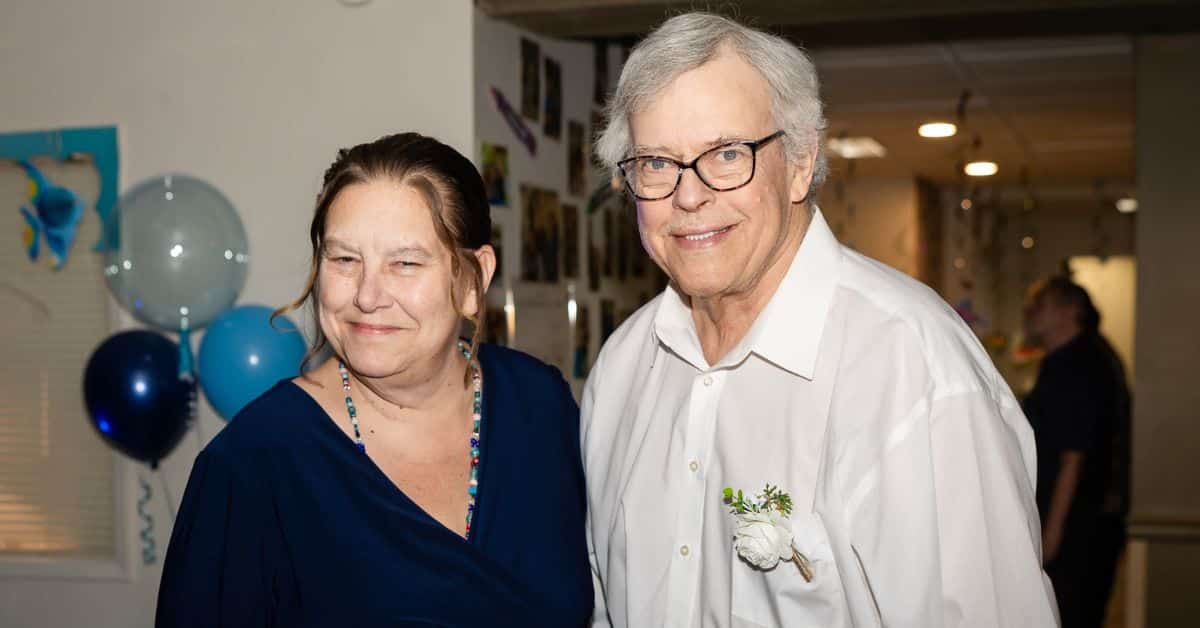
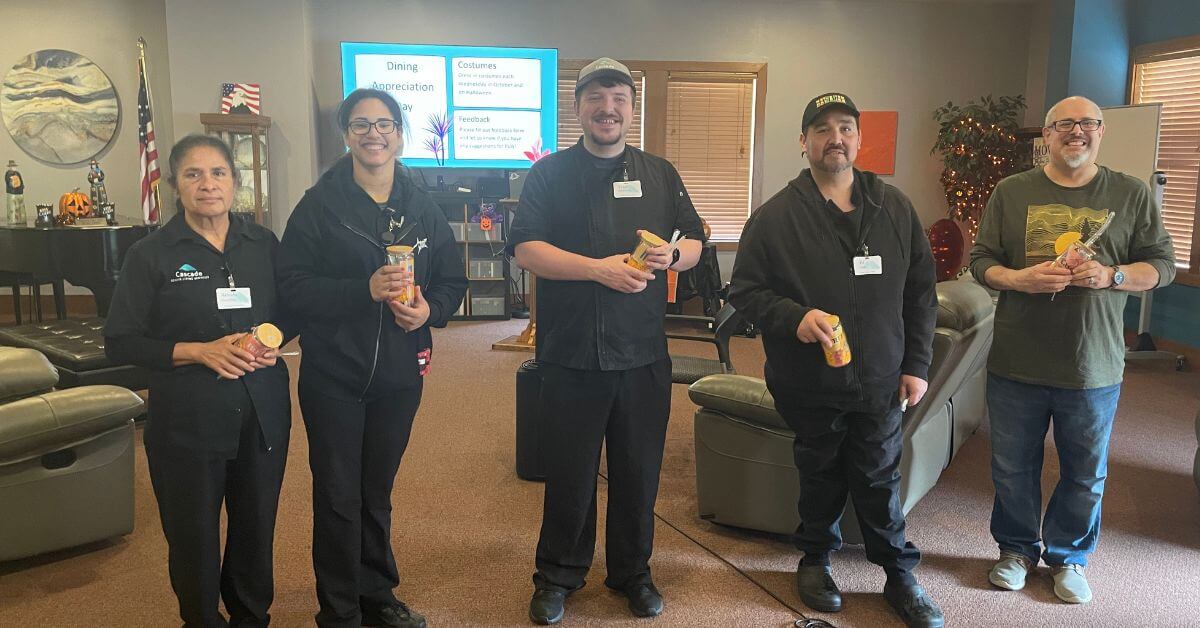
The moment you step into assisted living in Tacoma, WA, you notice the warmth—caregivers who remember names, comfortable spaces that feel like home, genuine smiles that welcome families. What remains hidden are the intricate systems that make these moments possible. Quality senior care goes beyond kind hearts and good intentions. It requires coordinated operations where staff members move together like a well-rehearsed orchestra, turning complex medical needs into reliable, daily care.
Communities like People’s Senior Living understand that clear structure becomes the foundation for safety and dignity during life’s most challenging chapters. When caregivers, family members and support networks unite their efforts, seniors don’t just survive—they flourish.
This article pulls back the curtain on three essential elements: the operational systems that keep large teams working seamlessly, the quality assurance protocols that translate clinical standards into everyday care and the human-centered training that builds excellence one caregiver at a time. Together, these invisible forces create the assisted living Tacoma families trust with their most precious relationships.
Learn More About Our TeamHow Do Staff Members Work as One Team at Assisted Living Care
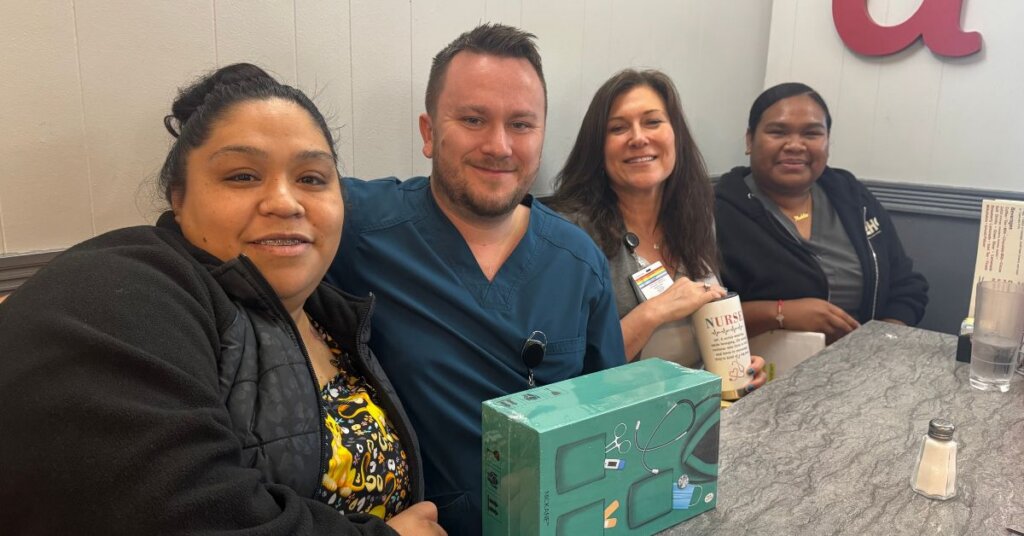
Managing staff across different shifts and departments can sound overwhelming—because it is, without the right systems. The backbone of senior living communities relies on multidisciplinary teams where everyone knows their role. Primary care providers, nurses, therapists, social workers and dietitians work from shared care plans that define responsibilities clearly. Each professional understands both their own scope and how their work connects to their colleagues. This clarity prevents the gaps that leave families wondering who handles what, while eliminating the redundancies that confuse residents.
Managing Communication
Real-time communication happens through electronic health records that keep everyone updated on medical histories, current medications and care instructions. Since assisted living communities serve residents with multiple chronic conditions, this centralized information prevents the kind of miscommunication that can pose real danger. Daily team huddles create space for immediate questions and clarifications, reducing the interruptions that break up the day’s flow. When every staff member understands their responsibilities and feels genuine ownership over resident outcomes, the entire system works more smoothly.
Quality Assurance Systems That Translate Clinical Standards into Daily Care
Quality assurance works quietly but persistently, much like a careful editor reviewing every detail before publication. Reviews care delivery through clinical records, tracks incidents, monitors infections and listens to residents directly. Performance Improvement takes this information and spots patterns, then creates structured plans for change. When trends surface—perhaps meals arriving at wrong temperatures or missing dietary components—teams dig deeper to fix the underlying causes, not just the surface problems.
Medication safety deserves special attention because the stakes are so high. Standardized protocols target the scenarios that keep administrators awake at night—wrong routes, look-alike medications and verification breakdowns. These aren’t theoretical concerns. Studies show that one in every five medication doses contains errors, with seven percent causing serious complications. Senior living Tacoma communities use technology to ensure the right medication reaches the right resident at the right time, through the right route, at the right dose. Each verification creates a safety net that protects both residents and the caregivers who serve them.
The Human Systems: Training and Culture That Sustain Excellence
Excellence doesn’t happen by accident—it grows through deliberate investment in people. Training programs at assisted living blend multiple teaching approaches to build truly competent care teams. Classroom instruction works alongside hands-on skills laboratories, realistic simulation exercises and mentored clinical experiences to prepare staff for the complexities they’ll face every day.
Because senior care never stops, competency-based orientation and online learning modules offer flexibility for round-the-clock operations, ensuring staff on every shift can access the education they need.
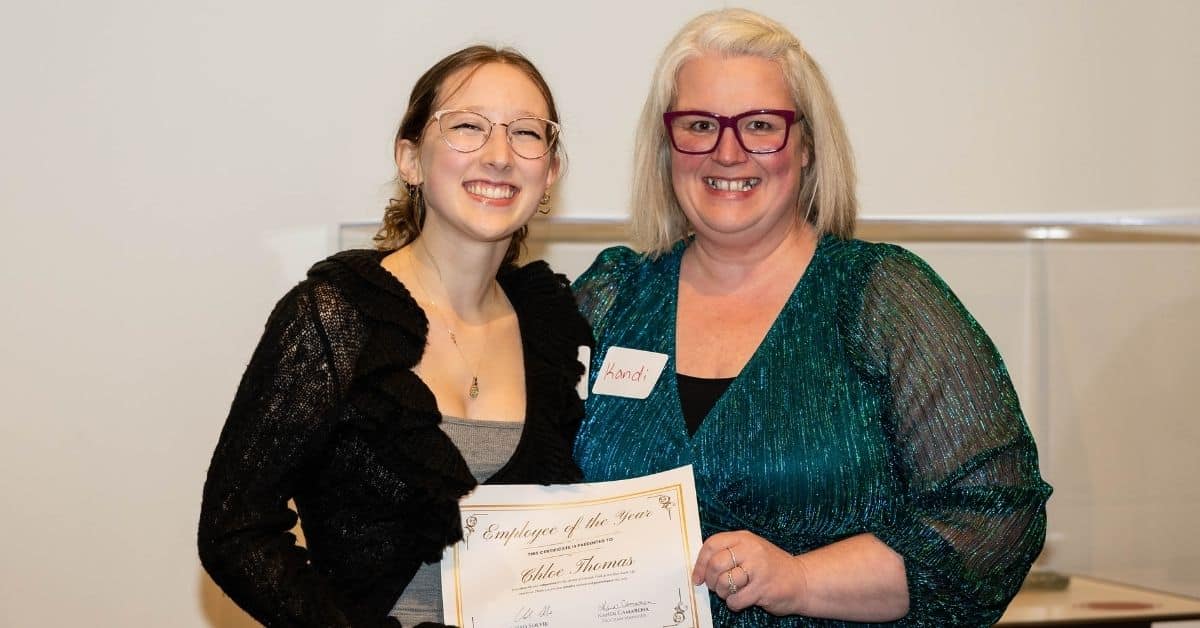
But initial training is just the beginning. Continuous education keeps caregivers sharp (Altmiller & Pepe, 2022) and current as protocols evolve and new safety measures emerge. Recognition systems create the cultural foundation where excellence thrives and burnout fades. Senior living Tacoma communities with strong recognition cultures see employees who are more likely to be highly engaged. These engaged teams deliver higher productivity and the kind of consistent, person-centered care that families notice.
Working Together
These structures matter because they create the safety net your loved ones need during life’s most vulnerable moments. When systems work well, families can focus on what matters most: spending meaningful time together rather than worrying about whether basic needs are being met. Experience how Peoples Senior Living puts these systems into practice by calling (253) 364-5107 or visiting www.cascadecares.com to see this commitment in action.
Book a Tour of One of Our CommunitiesFAQs
Q1. How do large senior care communities coordinate their staff effectively? Large communities coordinate staff through structured communication protocols like SBAR handoff procedures, electronic health records that provide real-time updates, regular team huddles for issue clarification and clearly defined roles with accountability measures. These systems ensure seamless information transfer between shifts and departments.
Q2. What quality assurance measures are used in senior living? Quality assurance programs combine clinical record reviews, incident tracking, infection monitoring and resident interviews with performance improvement initiatives. Communities also implement evidence-based clinical guidelines, medication safety protocols with barcode verification and automated systems to prevent errors and ensure consistent care delivery.
Q3. How do senior care communities train their staff to maintain high standards? Staff training includes didactic instruction, hands-on skills laboratories, simulation exercises and precepted clinical experiences. Communities provide competency-based orientation, online learning modules for flexible access and continuous education programs that typically require 14 to 24 weeks of specialized training with 32 to 40 hours per week.