

Dining has become one of the most honest reflections when looking for the best assisted living in Tacoma, WA. Not because food is the whole story, but because the way a community feeds its residents tells you a great deal about how it sees them, whether people are truly valued here or simply managed.
Communities like ours have built their approach around that understanding. Restaurant-style experiences and thoughtfully crafted menus don’t just nourish, they preserve dignity, foster connection and shape wellness in ways that go far beyond nutrition.
For families choosing assisted living in Tacoma, WA for someone they love, this guide explores what exceptional dining looks like, what to look for in a senior living community and why the most meaningful details are often found not in the amenity list, but in the dining room.
Learn More About UsWhat Makes Dining Programs So Important in Senior Living Communities?
There’s a meaningful difference between being fed and being cared for at a table. Institutional meal service, rushed transitions, cafeteria-style lines, and rigid schedules was never really about residents. It was about logistics. Progressive communities have moved away from that model and the results show up in quieter, more dignified ways. These aren’t small details. They’re signals of how a community sees the people in its care.
What Role Does Fresh, Local Sourcing Play in Senior Nutrition?
Food grown nearby and served in season carries something that processed ingredients simply can’t, nutritional density, real flavor and a quiet sense of connection to the world outside community walls. And the nutritional outcomes follow. Seasonal, farm-to-table approaches reduce reliance on processed foods while naturally increasing fiber, protein and the cognitive function-supporting nutrients that help older adults maintain strength and mental clarity over time.
Why Should Families Tour the Dining Room Before Choosing a Community?
A brochure can describe a dining program. A mealtime visit will show you what it actually is.
Schedule your tour when residents are eating. Watch whether staff greet them by name or by table number. Notice if the room feels unhurried or if trays are cleared before people have finished. Ask to sample what residents are actually served that day, not a specially prepared version. Request weekly menus and see if the variety is genuine or repetitive. Find out how dietary restrictions are handled and what happens when a resident simply doesn’t like what’s in front of them.
Then stay a little longer and just observe. Are residents talking with each other? With staff? Or are they eating alone in silence? Is the lighting warm or clinical?
Those details, small, human, easy to overlook, will tell you more about how a community values its residents than any amenity list ever could. Dining isn’t just a service. It’s where culture becomes visible every single day.
What Social Benefits Does Great Dining Bring to Assisted Living in Tacoma, WA?
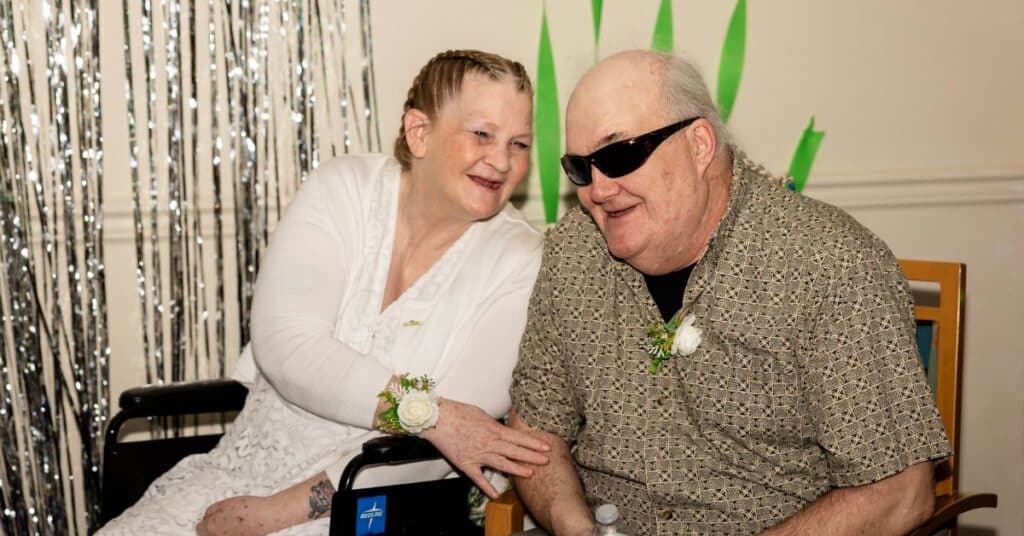
A thoughtfully designed dining program nourishes far more than the body. For many older adults, shared meals become the anchor of each day, creating natural opportunities to build friendships, maintain routines and stay engaged with the people around them.
How Does Shared Dining Help Prevent Isolation?
Moving into assisted living often means adjusting to a new environment, but regular meals provide an easy and comfortable way for residents to meet neighbors (Odencrants et al., 2019) and establish familiar routines. Instead of eating alone, residents gather around the table, celebrate birthdays, share stories and form friendships that continue well beyond mealtime.
How Do Restaurant-Style Dining Experiences Support Independence?
Restaurant-style dining allows residents to make everyday choices that many people take for granted. Selecting meals from a menu, choosing where to sit, deciding when to eat within flexible dining hours and enjoying meals served at the table all help preserve personal independence.
When evaluating assisted living in Tacoma, WA, these moments often reveal more than a list of amenities ever could. A warm, engaging dining environment reflects a community that values relationships, respect and everyday quality of life.
Finding the Right Senior Living
The search for the right senior living community is rarely just a practical one. It carries weight, the kind that comes from loving someone and wanting to get this decision right.
When you tour assisted living communities in Tacoma, let those quieter details guide you. Notice the atmosphere at the table, the ease between staff and resident engagement, and the way a meal is presented and paced. These moments, small as they seem, carry the weight of the culture behind them. Contact us at (253) 474-1741 to schedule a tour of one of our Cascade Senior Living communities.
Schedule a Tour NowFAQs
Q1. What dining options are typically available in senior living communities?
Senior living communities offer multiple dining formats, including restaurant-style dining rooms with elegant atmospheres, casual dining spaces for relaxed meals, private dining areas for special occasions with family and room service for residents who prefer eating in their apartments. Many communities also provide flexible meal times and accommodate special dietary needs and personal preferences.
Q2. How does social dining improve quality of life in assisted living?
Sharing meals with others encourages conversation, builds friendships and helps residents maintain daily routines. Regular social interaction during mealtimes can reduce feelings of loneliness, support emotional well-being and make assisted living feel more like a true community where residents enjoy spending time together.
Q3. Why should families observe dining services when touring assisted living communities?
Dining room observations during mealtimes reveal authentic care quality that brochures cannot capture. Families should notice whether staff address residents by name, if the atmosphere feels rushed or relaxed, how dietary restrictions are handled and whether residents appear engaged in conversation. The dining experience reflects overall community standards for dignity, choice and resident-centered care.