Best assisted living

Recording Mom’s Memories This Mother’s Day: Why the Best Assisted Living Community Makes It Easier

best assisted living

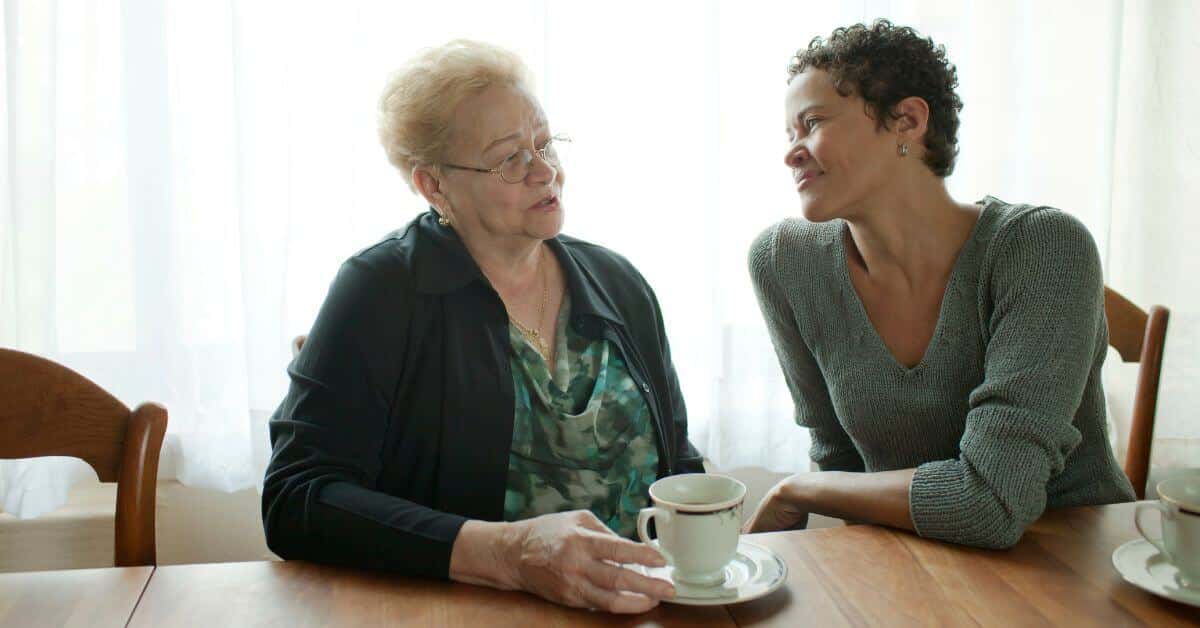
Recording your mother’s stories becomes more heartfelt and manageable when done within the caring environment of the best assisted living community in Tacoma, WA. The recordings you create now become irreplaceable family treasures, connecting future generations to your mother’s unique voice and experiences while honoring her story during this meaningful life transition.

Your mother’s Tacoma stories deserve preservation. Choosing the proper assisted living community goes beyond care; it means keeping her waterfront walks, neighborhood histories and unique voice alive. These cherished moments deserve capture, not loss during life’s transitions.

Mother’s Day offers the perfect opportunity to begin recording her story and the right assisted living environment makes this memory project simpler than you imagine. This guide shows you how assisted living communities provide supportive settings for recording stories, what questions unlock her most treasured memories and practical steps to interview your parents while preserving their voices for generations ahead.

Learn More About Our Assisted Living

What’s the Best Assisted Living Situation for a Parent Who Wants to Preserve Their Family History?

The finest assisted living community in Tacoma, WA, creates more than medical care. It nurtures the peaceful, welcoming spaces where mothers feel okay sharing their most precious stories. Quiet areas with soft lighting and personal touches foster better memory recall. Tacoma assisted living communities recognize this vital connection between environment and remembrance.

Community engagement naturally unlocks forgotten memories (McDaniel & Bugg, 2012). When mothers interact with other residents who share similar life experiences, stories emerge without prompting. Residents participating in life story programs report feeling happier and more socially connected. Your mother’s conversations with neighbors who remember old Tacoma neighborhoods or worked at similar local businesses can awaken recollections she believed were gone.

What makes this Mother’s Day the ideal time to start?

Mother’s Day offers a natural moment for reflection and heartfelt connection. Family visits during this meaningful holiday create the perfect atmosphere to begin recording her stories without the project feeling clinical or forced. Since you’re already exploring senior care options, starting her legacy project now shows that this transition celebrates her history rather than diminishing it.

How can an Assisted Living Community Support Recording Life Stories?

Recording your mother’s stories requires less equipment than you might think, yet the right tools make all the difference between muffled audio and clear preservation.

What recording equipment do you actually need?

External microphones improve sound quality significantly compared to built-in options. Condenser microphones that rest on tables work well for one-on-one interviews. When your mother has a soft voice, lavalier clip-on microphones attached to clothing capture clearer audio.

Can professional caregivers help facilitate storytelling sessions?

Caregivers trained in life story work gain insights into residents’ past experiences, values and preferences. They can tailor approaches to meet specific needs while fostering environments that respect dignity and individuality. Engaging with residents’ narratives allows caregivers to see beyond medical conditions, promoting connections based on shared experiences.

What Conversation Starters Unlock Your Mother’s Most Cherished Memories?

How do you navigate emotional moments during recording?

Some questions surface sensitive memories. Give your mother space when you sense hesitation rather than pushing the conversation forward. Let her finish her thoughts completely, only asking for clarification once she’s done. Allow for pauses since past events can be difficult to recall.

Know when to move on from certain topics. Acknowledge the difficulty by saying, “This might be hard to hear,” which actually helps ease tension.

What questions reveal her unique voice and personality?

Open-ended questions invite meaningful responses rather than simple yes or no answers. Ask “What is your favorite memory from childhood?” instead of “Did you like growing up here?”. Questions like “What accomplishments are you most proud of?” or “What is the one thing you most want people to remember about you?” reveal her values and how she sees her own story.

best assisted living

Preserving Her Story

Your mother’s Tacoma stories deserve preservation and the right assisted living community makes this legacy project possible. Starting this Mother’s Day gives you time to capture her unique voice, neighborhood histories and cherished memories before they fade. Equally important, you’re honoring her past while planning her future. Call (253) 474-1741 today to schedule a tour and discover how Peoples Senior Living supports family storytelling projects. The recordings you create now become priceless treasures for generations ahead.

Book a Tour Now

FAQs

Q1. How can assisted living communities help us preserve my loved one’s memories?
Many assisted living communities create the kind of calm, comfortable environment that makes storytelling easier. They often have quiet spaces where you can sit together without distractions and caregivers who know how to gently guide conversations. With the right setting and a little support, it often becomes much more natural for your loved one to open up and share meaningful memories.

Q2. Should I keep recordings as audio or turn them into written transcripts?
Honestly, both are worth having. Audio recordings capture your loved one’s voice, tone and emotion—which is incredibly special to hold onto. Transcripts, on the other hand, make those stories easier to read, share and revisit, especially for family members who prefer written content. You can use simple tools like Otter.ai to create transcripts and keep both versions together.

Q3. What kind of questions should I ask when recording their stories?
Open-ended questions tend to work best—anything that invites them to tell a story rather than give a quick yes or no. You could ask about their favorite childhood memory, something they’re proud of or places that meant a lot to them. Bringing up familiar landmarks, traditions or moments in their life can really help spark conversation. And just as important—give them time. Those pauses often lead to the most meaningful stories.

Alzheimer's care

Alzheimer’s Care Facilities Guide: How to Respond When Your Parent Wants to “Go Home”

alzheimer's care

When your parent at an alzheimer’s care facility in Tacoma, WA, says, “I want to go home,” they’re sharing deep feelings about comfort rather than asking for a specific place. Recognizing that “home” means emotional security, not a street address, turns these difficult conversations into moments of deeper connection and peace.

Dementia creates chemical and physical changes in the brain, especially in the hippocampal region, causing “home” to represent feelings of comfort and familiarity instead of any particular location. Learning about what stage of dementia commonly triggers this desire to go home, plus discovering caring responses, can change these heartbreaking moments.

This guide helps you handle these tender conversations while supporting someone you love through Alzheimer’s and dementia. You’ll discover validation approaches, ways to create comforting environments for memory care in Tacoma, WA and when to reach out for extra help from specialists like Peoples Senior Living.

Do You Want to Learn More About Our Memory Care?

Understanding Why Your Parent Wants to Go Home

When this heartfelt request happens

This tender plea can surface at any point during your parents’ journey with dementia. The desire to go home doesn’t belong to just one stage of the disease. Six in 10 people living with dementia will wander (Alzheimer’s Association, n.d.) at least once and many do so repeatedly. You might hear these words during earlier days when your parent still knows your face or later when confusion becomes their constant companion.

The request often grows stronger as the disease progresses. Your parent might feel unsettled even in the house where they’ve made decades of memories, suddenly longing for their childhood home. These feelings frequently intensify as evening approaches, during what we call sundowning.

What ‘home’ truly means in their heart

When your parent asks to go home, they’re telling you their current space doesn’t feel familiar, friendly, functional or forgiving. This simple phrase carries much deeper meaning than any street address.

Home represents the place where your parents felt truly joyful. It might be their childhood bedroom, a time when independence came easily or simply a chapter of life that brought peace. For many, home means those precious childhood moments when well-being was never questioned. The word becomes their way of asking for basic needs to be met, whether that’s hunger, thirst, rest or feeling understood.

Caring Responses When Your Parent Says ‘I Want to Go Home’

Start with their physical comfort

Your parents’ request often stems from unmet physical needs they can’t quite express. Before anything else, gently assess what they might need right now. Are they hungry, thirsty, tired or experiencing pain? Do they need to use the restroom? These basic discomforts frequently trigger the desire to leave, even when your parent can’t pinpoint why they feel unsettled.

Honor their feelings first

Your parents’ emotions deserve recognition, not correction. Validation therapy respects their lived experiences and personal history. When you allow them to express what they’re feeling, you actually reduce their confusion and emotional distress. Try gentle responses like “Tell me about your home” or “You miss it, don’t you?” This shows you’re truly listening to their heart, not just their words.

Gently guide their attention elsewhere

Once you’ve acknowledged what they’re feeling, offer something comforting to focus on instead. Bring out cherished photo albums, play music they love or suggest a simple activity that brings them joy. You might say, “Let’s have some tea together first,” or invite them to help with gentle tasks like folding soft towels. Sometimes moving to a different space eliminates whatever triggered their distress.

Never argue with their reality

Telling your parent they’re already home or that their childhood house no longer exists only creates more frustration. Correcting their perception makes everything harder. Arguments trigger defensiveness when what they need is comfort. Focus on what they’re feeling instead of what you think they should know.

alzheimer's care

Support Your Parents Deserve

Responding to “I want to go home” becomes easier when you recognize this request as an emotional need rather than a literal destination. Validation, environmental adjustments and redirecting attention provide immediate relief, while proper lighting, familiar items and sensory comfort create lasting peace. When these strategies aren’t enough or caregiver burnout sets in, specialized memory care offers the support both you and your parent deserve. Call Peoples Senior Living at (253) 474-1741 to explore how professional care can help your family navigate this journey with confidence.

Book a Tour Now

FAQs

Q1. What should I say when my parent with Alzheimer’s asks to “go home,” even though they’re already in their community?
It’s usually best not to correct or argue with them—it can increase confusion or distress. Instead, focus on how they’re feeling. You might say something like, “Tell me about your home,” or “You miss it, don’t you?” This helps them feel heard and understood. It’s also a good idea to check if something else is bothering them, like hunger, thirst or tiredness, since those needs can sometimes trigger that feeling.

Q2. Why do they keep asking to go home?
When someone with dementia says they want to go home, they’re often not talking about a physical place. “Home” usually represents a feeling—comfort and familiarity. Because of changes in the brain, it becomes harder for them to recognize where they are or explain what’s wrong, so “home” becomes a way of expressing that something doesn’t feel right.

Q3. How can I gently redirect them when they’re focused on leaving?
Once you’ve acknowledged how they feel, try shifting their attention to something comforting or familiar. Looking through photo albums, playing their favorite music or offering a snack or warm drink can help. Simple activities like folding towels or going for a short walk can also work well. The goal is to ease that feeling of restlessness by giving them something reassuring to focus on.

Stress Fighting Foods for Seniors

Top Five Stress-Fighting Foods for Seniors in Assisted Living in Tacoma, WA

Growing older brings changes that affect both body and mind, making thoughtful care more important than ever for individuals seeking senior living assistance in Tacoma, WA. The connection between what we eat and how we feel goes much deeper than simple nutrition, particularly when it’s about managing stress and supporting emotional wellbeing. While stress presents real challenges for seniors, diet offers a powerful way to support emotional well-being and build resilience. The connection between what we eat and how we feel isn’t accidental—it’s based in biology and brain chemistry.

1. Salmon and Fatty Fish

Salmon offers seniors a wonderful way to nourish both body and mind while enjoying truly delicious meals. This remarkable fish stands out among foods that naturally ease stress, providing exactly the nutrients older adults need to feel their best in assisted living settings.

Rich in omega-3s for brain health

Salmon provides these brain-supporting omega-3s in generous amounts, working to protect and enhance mental function in several meaningful ways. DHA helps keep brain cell membranes flexible, ensuring your neurons can communicate effectively and support clear thinking. The anti-inflammatory power of omega-3s shields brain cells from damage while promoting healthy aging. These fatty acids also influence how brain cells talk to each other, potentially boosting memory and mental processing. 

2. Avocados

This creamy green fruit offers far more than most people realize. While many consider avocados just another healthy option, they actually provide exceptional stress-fighting benefits that make them particularly valuable for seniors in assisted living communities.

Helps regulate cortisol levels

Avocados shine brightest in their ability to help control cortisol, your body’s main stress hormone. The magnesium in avocados directly influences how your body produces and responds to cortisol. For seniors adjusting to assisted living environments, cortisol regulation becomes especially important. Cortisol levels naturally tend to increase with age. Higher cortisol can affect memory, sleep quality and overall cognitive function.

3. Yogurt and Probiotic Foods

Your morning bowl of yogurt offers so much more than a simple breakfast choice. This creamy comfort food creates a powerful connection between your digestive system and your brain, working quietly to ease stress and lift your mood throughout the day.

Enhancing Digestion and Mood

Yogurt offers a gentle solution for seniors who struggle with dairy digestion. The fermentation process breaks down much of the lactose, making yogurt easier to digest than regular milk. Probiotics support mood through three key pathways. They help produce neurotransmitters like serotonin, dopamine and GABA that regulate how you feel. They reduce harmful bacteria that cause inflammation, affecting brain function. They also enhance the absorption of B vitamins essential for mental clarity.

Avocados help regulate cortisol levels

4. Leafy Greens and Cruciferous Vegetables

These everyday garden favorites pack remarkable stress-fighting power for seniors. Spinach, kale, broccoli and Brussels sprouts might remind you of childhood dinners, but their benefits extend far beyond basic nutrition. For older adults managing daily stresses, these familiar vegetables offer genuine support that becomes more valuable with each passing year.

Rich in magnesium and protective nutrients

Leafy greens deliver magnesium in amounts that truly matter for seniors. These vegetables bring together nutrients that work as a team. Vitamin K supports bone strength and proper blood clotting. Calcium helps maintain the strong bones seniors need for independence
Folate keeps cells healthy and supports clear thinking. Cruciferous vegetables like broccoli, cabbage, Brussels sprouts and kale contain special compounds called glucosinolates that benefit heart health. These vegetables belong to the Brassica family and offer sulfur-rich compounds found almost nowhere else in our food supply.

5. Nuts and Seeds

Nature provides one of the most convenient stress-fighting solutions in a simple handful of nuts and seeds. These small nutritional treasures pack remarkable stress-reducing power into portable, easy-to-enjoy packages that work beautifully for seniors in assisted living environments.

Packed with B vitamins and healthy fats

Think of nuts and seeds as tiny stress-relief capsules filled with exactly what your nervous system needs most. These natural foods contain impressive amounts of B vitamins—including folate, niacin and vitamin B6—that your body uses to maintain calm, steady nerve function and manage daily stressors effectively. Walnuts offer particularly high levels of a compound that supports heart health.

Your Path to Better Stress Management Through Food

Nutrition holds remarkable power for seniors navigating life in assisted living communities. These five foods—salmon, avocados, yogurt, leafy greens and nuts—offer genuine support for managing stress while nourishing your body and mind.

Regular consumption of these foods creates lasting benefits beyond immediate stress relief. Your cognitive function, heart health and overall vitality all improve when you consistently choose foods that truly nourish your body. Even small, consistent changes in what you eat can lead to improvements in how you handle daily challenges. These foods help you maintain your independence, feel more emotionally balanced and truly enjoy your senior years. Curious about our assisted living community? Contact us at (253) 474-1741 to schedule a tour of Peoples Senior Living and learn about our culinary experience. 

FAQs

Q1. What are some key stress-fighting foods for seniors? Some essential stress-fighting foods for seniors include salmon and other fatty fish, avocados, yogurt and probiotic foods, leafy greens and cruciferous vegetables and nuts and seeds. These foods contain nutrients that help regulate stress hormones, support brain health and reduce inflammation.

Q2. How does diet impact stress levels in older adults? It has a significant role in managing stress levels for seniors. Nutrient-rich foods can help regulate cortisol (the stress hormone), support brain function and improve mood. A balanced diet with stress-fighting foods can enhance emotional well-being and resilience to stress in older adults.

Labor Day crafts for adults

Labor Day: Simple Joys and Celebrations in Memory Care in Tacoma, WA

Labor Day means more than just another date on the calendar for individuals receiving Alzheimer’s Care for Seniors in Tacoma, WA. This first Monday in September creates opportunities for meaningful connections through celebration and shared memories. The holiday honors the contributions of American workers, which makes it particularly special for seniors who spent decades building careers and caring for their communities. Reminiscing about younger years and the days of hard work often triggers warm, positive memories. This kind of remembering provides effective and enjoyable brain exercise. 

Celebrate with Patriotic Crafts and Decor

Patriotic crafts create more than festive decorations for memory care residents. These activities provide purposeful engagement that supports cognitive function and sparks moments of genuine joy. Crafting delivers powerful therapeutic benefits by unlocking memories, strengthening relationships and boosting communication for those experiencing memory challenges.

Labor Day crafts for adults: Easy ideas

Simple craft projects offer opportunities for success and personal expression. Mason jar lanterns create soft, patriotic light using tissue paper squares in red, white and blue. These crafts provide tactile engagement that improves hand coordination. Hand-print star flags allow seniors to create personalized American flags by painting red stripes on white cardstock and using blue handprints to form the star field. This project encourages full-hand movement and provides rich sensory feedback.

Create red, white and blue pinwheels

Pinwheels add movement and visual joy to Labor Day celebrations. These quick decorations create a festive atmosphere as they spin in gentle breezes. Here’s how to make these cheerful additions:

  • Print patriotic patterns on paper (solid colors or stars and stripes)
  • Cut out templates and fold corners to the center
  • Secure with a pushpin through the middle
  • Attach to wooden dowels or sticks

Place finished pinwheels in flower pots, along walkways or use them as table decorations throughout common areas.

Use crafts to spark memory and conversation

Craft sessions naturally encourage reminiscence as seniors work with familiar colors and patterns. Arts and crafts activities often trigger recognition of past Independence Day celebrations or work experiences. Many seniors with memory challenges find joy in activities that blend creativity with remembering, exploring precious memories while creating artwork. Suggest projects that recreate special memories or represent beloved people from their working years.

Labor Day Celebrations in Memory Care

Create Meaningful Moments with Family

Family connections form the heart of Labor Day celebrations for seniors receiving memory care. These meaningful interactions become treasured moments that strengthen bonds across generations.

Set up interview corners for grandkids and grandparents

Comfortable, quiet spaces work best when grandchildren want to ask questions about their grandparents’ life experiences. Simple prompts like “What was your first job?” or “What world events had the biggest impact on your life?” spark great talks. These conversations help seniors reflect on their experiences, often leading to improved communication and reduced care-related stress.

Share old photos and tell stories

Old photographs powerfully stimulate long-term memories, even for those with advanced memory challenges. Looking at photos together brings multiple benefits:

  • Reduces feelings of isolation and agitation
  • Starts meaningful conversations about the past
  • Helps preserve special memories that might otherwise fade

Make a memory wall 

Creating a memory wall strengthens family bonds while preserving important life stories. These curated collections provide comfort, reduce anxiety and create opportunities for meaningful engagement. They serve as conversation starters that facilitate interactions when verbal communication becomes challenging.

Encourage journaling or voice recordings

Audio recordings capture the warmth in a loved one’s voice. These recordings become treasured keepsakes for family members. For shorter snippets, smartphones with voice memo apps work perfectly, preserving messages that future generations will cherish.

Reconnecting With the Past

Labor Day celebrations create wonderful opportunities for seniors to reconnect with their past while building new, joyful moments. Memory challenges present unique hurdles, but thoughtfully planned celebrations can overcome these barriers, allowing seniors to participate fully in life’s special moments. Your loved one deserves to experience the joy that comes from meaningful engagement. Questions about how we celebrate special occasions? Contact us at (253) 474-1741 for more information about our approach to memory care in Peoples Senior Living.

Labor Day celebrations remind us that every person has a story worth honoring. Celebrating past achievements while creating new memories, families and caregivers alike provide the greatest gift possible, moments of connection that affirm each resident’s continuing value and place in the world.

FAQs

Q1. What are some easy craft ideas for seniors with memory challenges? Easy craft ideas for seniors with memory challenges include creating mason jar lanterns with tissue paper, making hand-printed star flags and designing red, white and blue pinwheels. These activities are designed to be simple and provide sensory stimulation.

Q2. How can family members engage with their loved ones in memory care during Labor Day? Family members can engage with their loved ones in memory care during Labor Day by participating in interview sessions, sharing old photos and stories, contributing to memory walls and creating audio recordings of conversations. These activities help strengthen bonds and create meaningful moments across generations.