
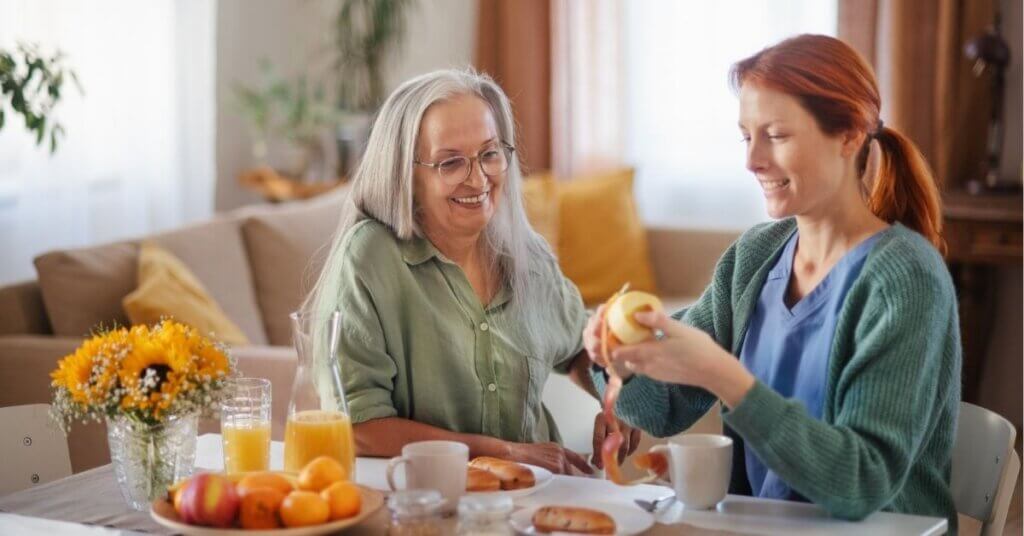
Most of the family caregivers in the United States are women caring for their aging mothers. This dynamic often changes daughters from loving family members into medical managers, turning conversations from shared memories to medication reminders. Finding the best assisted living community in Tacoma, WA, might be exactly what restores this precious relationship.
Moving Mom to assisted living doesn’t mean giving up as a daughter; it means giving back the relationship that matters most by removing care burdens and creating space for a genuine connection to grow again.
Peoples Senior Living offers a boutique experience with personalized care and engaging daily activities, so you can step away from caregiver duties. This change isn’t about walking away, it’s about healing. Many mother-daughter relationships carry difficult patterns from earlier generations and professional care gives you room to break these cycles and find joy in your relationship again.
What Happens in an Assisted Living When Daughters Become Caregivers Instead Of Just Daughters?
Caring for an aging mother creates a heartbreaking shift that many families experience but rarely discuss openly. The daughter who once called to share daily joys now finds herself managing medication schedules and doctor appointments. This role change carries profound emotional weight, affecting both mothers and daughters in ways that go far beyond the practical demands of care.
When your identity shifts from daughter to medical manager
The moment you become your mother’s primary caregiver, something fundamental changes in your relationship. Young adult daughters face particularly intense challenges, experiencing higher rates of depression, caregiving distress and emotional burden compared to other family caregivers. This shift feels especially overwhelming when you’re still figuring out your own adult life.
How caregiving stress shows up in daily life
The strain becomes visible in countless ways throughout your day. Women juggling parent care alongside their own families, marriages and careers face constant internal conflict about where to focus their energy. The physical and emotional toll becomes undeniable.
Caregivers experience depression at twice the national average. More than half report that their own health has declined because of caregiving responsibilities (Family Caregiver Alliance, n.d.).
From heart-to-heart talks to healthcare logistics
The most painful change might be how your conversations transform. Those meaningful exchanges about life, dreams and shared memories gradually give way to discussions about medications, safety concerns and medical appointments.
Healthcare experts increasingly recognize that “love is not a care plan”. While your devotion motivates you to provide care personally, this approach often damages the very relationship you’re trying to protect. Both you and your mother lose the emotional connection that made your bond special in the first place.

How Assisted Living Helps Daughters Become Daughters Again
When your mother moves to a caring professional environment, strained relationships begin to heal. The weight of medical management lifts, creating space for genuine connection to flourish.
Caring professionals at Peoples Senior Living take on daily responsibilities
At Peoples Senior Living, trained staff provide care, including assistance with medications, personal care and daily activities. This support allows daughters to step back from constant caregiving demands. Professional teams work together to minimize falls, hospitalizations and medication issues.
This care partnership doesn’t mean stepping back; it means showing up differently.
Professional care reduces family tension and worry
Family-staff relationships in senior living can face challenges, particularly when expectations around care involvement are unclear. Positive family-staff communication directly impacts residents’ health and well-being while reducing staff burnout and turnover.
Being trained in communication skills and conflict resolution improves relationships between families and staff. Families experienced significant improvements in communication with staff after such interventions.
Rediscovering cherished moments together
Perhaps the most heartwarming benefit comes from relationship healing. Assisted living allows daughters to “return to being a son or daughter, not just a caregiver”. Rather than managing medications or safety concerns, you can share meals, attend events and focus on meaningful moments together.
Regular, meaningful interactions significantly enhance residents’ emotional and psychological well-being. Simple activities like reading together, working on puzzles or enjoying favorite movies create shared experiences that foster connection.
Emotional Comfort Sharpens Minds
The journey from daughter to caregiver often transforms loving relationships into medical management scenarios, yet this shift need not be permanent. Therefore, choosing the best assisted living community represents a pivotal decision that can heal and restore your fundamental bond with your mom. Rather than remaining trapped in the caregiver role with its accompanying stress, depression and deteriorating health, you can reclaim your identity as a daughter.
Delegating care responsibilities to trained professionals at Peoples Senior Living allows you to step back from the logistics of medications, appointments and safety concerns. Consequently, your conversations can shift from treatment schedules to treasured memories and meaningful exchanges. This transition creates space for both you and your mother to experience the biological benefits of positive interaction—replacing stress-inducing cortisol with bonding-promoting oxytocin.
Many daughters express feeling liberated after making this transition, finally able to enjoy their mother’s company without the underlying anxiety about care management. Though the decision may initially seem difficult, countless families report that it ultimately saved their relationship.
Call Peoples Senior Living at (253) 474-1741 and schedule a tour to see firsthand how our supportive environment can transform your relationship dynamics.
FAQs
Q1. How does assisted living help restore mother–daughter relationships?
Assisted living relieves daughters of the heavy burden of daily caregiving. With professionals handling personal care, meals and medications, daughters are free to simply be daughters again—sharing conversations, laughter and meaningful moments with their mothers.
Q2. What are the emotional benefits of moving to assisted living?
This transition often eases stress for both mothers and daughters. With worries about safety and care reduced, they can enjoy a more relaxed, positive time together. These moments naturally increase bonding hormones like oxytocin, helping both feel closer, calmer and emotionally supported.
Q3. How can caregiving strain the mother–daughter relationship?
When a daughter becomes the primary caregiver, the relationship can shift from loving and mutual to task-focused and medical. This role change often creates emotional fatigue, frustration and sadness, leaving less space for warmth, connection and shared joy.