Assisted living

How Can Senior Living Help Seniors Achieve Renewal and Purpose This 2026?

assisted living

Meaningful social relationships create lasting benefits for cognitive health in older adults. Senior living in Tacoma, WA, builds an environment where these heartfelt connections happen naturally. Your move to a community setting removes the weight of homeownership and daily chores, giving you fresh energy and time to explore meaningful activities and exciting new goals.

Quality assisted living environments don’t just provide care—they create conditions for thriving. By offering diverse engagement opportunities, these communities enable seniors to focus their energy on what matters most: building connections, pursuing passions and contributing meaningfully to their community.

Staying active through games and activities can reduce the risk of dementia and help manage age-related health concerns. Peoples Senior Living addresses this with a boutique experience offering personalized care, enriching activities and social programs that build belonging and combat isolation, paving the way for purpose and renewal in 2026.

How Does Senior Living Support Personal Growth and Mental Wellness?

Senior communities build environments where mental wellness grows naturally through thoughtful support systems. Research indicates that emotional support is essential for enhancing subjective health, psychological well-being and social well-being among older adults (Devkota et al, 2023).

Social connection and emotional support

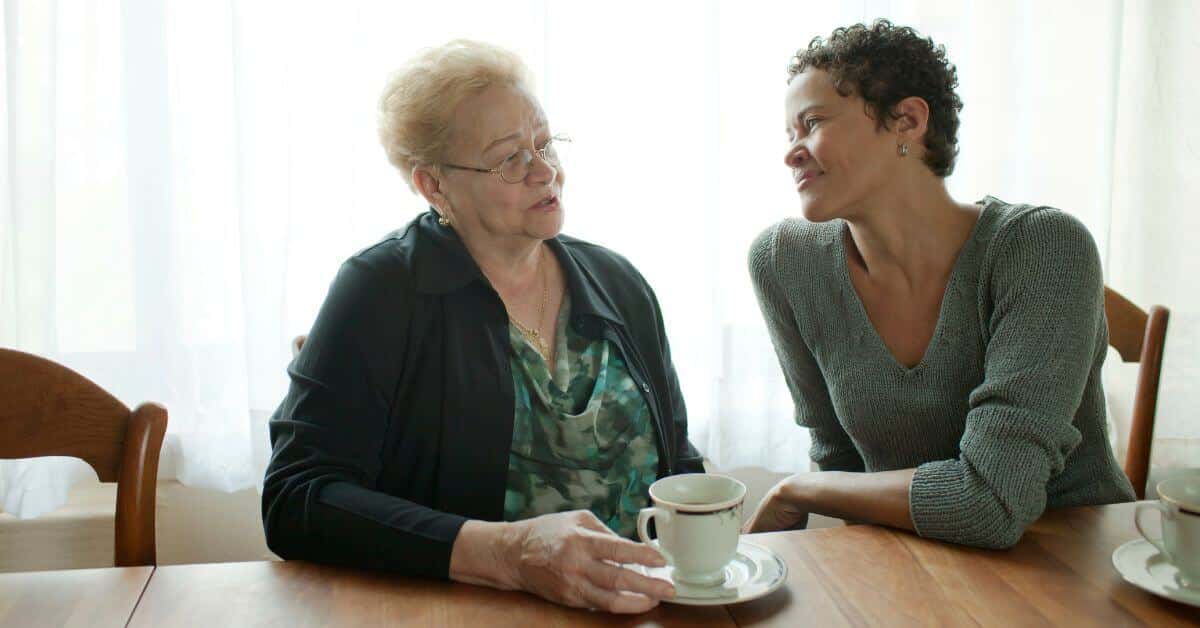
Living alone often creates isolation, which increases the risk of depression and substance use disorders. Senior living communities address this challenge by fostering natural social networks, where residents form genuine connections. These communities host regular social events, shared meals and group activities that fight loneliness.

Gentle skill engagement for seniors

Assisted living environments shine at offering creative outlets that need minimal physical movement yet provide maximummental stimulation. Activities such as writing, painting and photography allow seniors to express themselves meaningfully despite mobility challenges.

Low-stress skill-building activities

Communities focus on educational opportunities that encourage continuous growth. From art workshops to book clubs, these programs stimulate thought while fostering natural bonds between residents who share common interests.

Opportunities for reflection and goal setting

Senior communities create supportive spaces where older adults can engage in meaningful conversations, share life stories and offer wisdom to their peers. Activities such as memoir writing and journaling help seniors process their emotions and create a lasting memory. 

What Programs Encourage Personal Renewal and Goal Setting?

Assisted living communities design programs that create clear pathways to personal growth, providing residents with the structure and support needed to achieve meaningful goals. 

Lifelong learning and educational workshops

These learning opportunities build natural social bridges within communities. Residents taking classes together quickly find common ground, forming lasting relationships that combat isolation. Many seniors move from students to leaders after completing programs, organizing book clubs, mentoring others in tech skills or leading seminars based on their past careers.

assisted living

Creative arts and self-expression programs

Creative expression provides one of the most effective ways to entertein older adults, including those with severe limitations or cognitive decline. Art activities improve mood, help maintain independence and enhance overall quality of life.

Spiritual and mindfulness-based activities

Spiritual wellness becomes increasingly important as we age. Many senior communities now offer meditation sessions, which link to lower cortisol levels, reduced anxiety and more profound relaxation. Mindfulness-based interventions show substantial benefits for mood, anxiety and stress-related disorders.

Examples Of Renewal and Purpose Activities In Peoples Senior Living

The life enrichment programs at Peoples Senior Living are designed to foster renewal, connection and purpose by blending creative, intellectual and physical engagement.

Creative & Artistic Expression:

  • Visual Arts Workshops: Painting, sculpture and drawing.
  • Arts & Crafts Clubs: Drop-in sessions for general arts and crafts and groups
  • Musical Engagement: music programming, singing and karaoke sessions.

Physical Health & Wellness:

  • Daily Exercises
  • Outdoor Activities: Nature Walks and specialized Bird Watching trips.
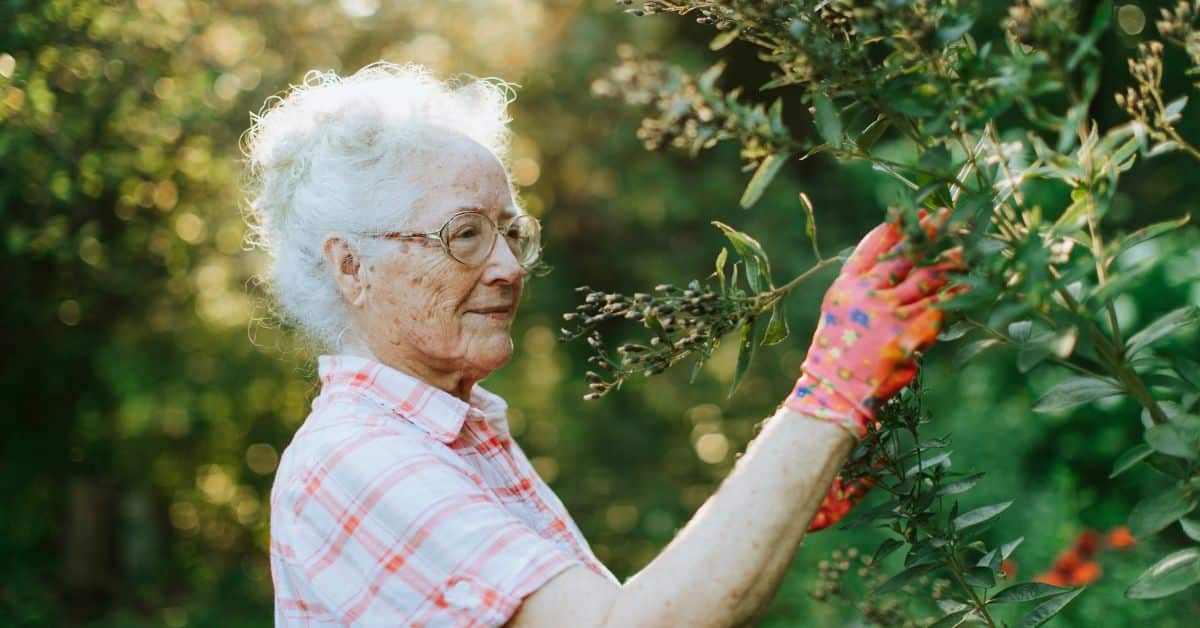
  • Horticulture

Social & Culinary Connection:

  • Themed Socials: Weekly Coffee Socials, Dance Socials and community-wide events 
  • Culinary Workshops: Hands-on classes 
  • Communal Dining

Cognitive & Intellectual Stimulation:

  • Educational Workshops: Lifelong learning classes and “Aging Smart Workshops.”
  • Games & Contests: Bingo, spelling contests and various drop-in games.
  • Book Clubs

Emotional & Spiritual Support:

  • Pet Therapy
  • Religious Services: On-site devotional services

Find Purpose In Assisted Living

The path to renewed purpose in your senior years becomes clearer when you find the right community. Peoples Senior Living in Tacoma, WA, creates a space where older adults rediscover what brings them joy while building meaningful connections with others who share similar values. You step away from the endless tasks of home maintenance and step into a world rich with possibilities for your mind, heart and body.

Your sense of purpose doesn’t have to fade with age. Staying engaged with clear goals protects your thinking, strengthens your physical health and supports your emotional well-being. When you pursue activities that matter to you, every day becomes an opportunity for growth rather than just another day to get through.

Senior living offers you much more than a place to stay. It opens doors to continued growth, chances to contribute meaningfully and opportunities to feel vibrant again. Ready to see how Peoples Senior Living can help you find renewed purpose in 2026? Call (253) 474-1741 today to schedule a personal tour and discover how our thoughtfully designed programs and caring community can make your senior years some of your most rewarding.

FAQs

Q1. How does senior living support personal growth and mental wellness?

Senior living communities boost personal growth and mental wellness by creating an environment of connection, purpose and gentle engagement. Through social activities, low-pressure skill-building opportunities and spaces for reflection, residents can stay mentally stimulated, reduce feelings of isolation and strengthen their overall emotional well-being.

Q2. What types of programs encourage personal renewal and goal setting for seniors?

Assisted living offers a wide range of programs that inspire personal renewal and goal setting. These may include lifelong learning classes, creative arts and expression workshops, resident leadership opportunities and spiritual or mindfulness activities. Together, these programs help residents stay motivated, purposeful and continually growing.

Q3. What types of renewal and purpose-focused activities does Peoples Senior Living offer?

Peoples Senior Living provides a wide variety of enrichment programs designed to inspire creativity, strengthen social connections, support wellness and nurture emotional well-being. Residents can enjoy visual arts workshops, music sessions, daily exercise classes, nature walks, bird-watching trips, horticulture, themed social events, culinary workshops, educational programs, games, book clubs, pet therapy and on-site religious services. These experiences help residents stay engaged, fulfilled and connected to a strong sense of purpose.

Assisted living

How Does Senior Living Enrich the Lives of Residents?

assisted living

Senior living in Tacoma, WA, provides much more than just comfortable housing and simple care. These vibrant environments make residents’ lives richer in many ways. Shared meals and well-designed communal spaces naturally bring people together. Structured activities give purpose and help residents curb isolation.

Senior living communities transform retirement into vibrant, connected experiences that go far beyond basic care and housing needs.

The benefits of senior living become clearer as residents adapt to a community lifestyle. Mental and emotional health improve through regular social interaction. Resilience and wisdom continue to develop throughout the aging process. Daily positive interactions with peers create a supportive environment where residents enrich each other’s lives.

What are the Most Visible Ways Senior Living Improves Daily Life?

The most visible ways senior living improves daily life center on eliminating the burdens of homeownership and loneliness, instantly replacing them with engagement and comprehensive wellness support.

Life in a senior living community brings amazing changes where residents discover a new sense of purpose and connection through thoughtfully designed spaces and carefully planned activities.

How do shared meals and communal spaces promote connection?

The community dining room becomes the social heart of senior living. Studies show that seniors adults who eat with others report higher life satisfaction and feel happier. (Ewen, H., et al, 2019) These shared meals provide more than just nutrition—they create natural opportunities to build meaningful relationships.

How does the physical environment support well-being?

The design of spaces significantly impacts residents’ health and well-being. Small-scale, home-like environments may lead to better emotional well-being, more social interaction and reduced anxiety, agitation and depression.

Design elements like windows between spaces, shorter hallways and common areas where staff can be present while residents stay independent. On top of that, proper lighting, lower noise levels and good color contrast help with cognitive function and orientation.

Outdoor spaces are vital too. Gardens and patios offer physical benefits through movement and emotional benefits through connection with nature. These elements create complete living environments.

What Factors Influence Friendships and Peer Support in Senior Living?

Seniors need meaningful social connections when they move to community living. Several things shape how these relationships grow and change over time, which affects how residents feel about belonging and their overall well-being.

How do cognitive and physical health affect social ties?

Cognitive health plays a big role in forming social connections and physical health challenges don’t hold people back from making friends in these settings. Some residents find it hard to keep conversations going when they have cognitive issues, which can create barriers. Residents without cognitive issues sometimes avoid talking to those who have these challenges. This creates a divide between these groups, so residents with similar cognitive abilities often stick together.

How does senior living support mental and emotional health?

Quality senior living makes a real difference in mental health. Seniors living in these communities have fewer cases of depression and anxiety than those living alone. These residents bounce back from tough times more easily. This resilience leads to better health and helps them live longer.

Living in a community keeps residents’ minds sharp through social activities. Wisdom grows with age. This includes being more caring, self-aware and emotionally stable. These qualities relate strongly to better physical, mental and cognitive health.

What long-term effects do friendships have on well-being?

Time spent with friends brings unique emotional benefits. Seniors may:

  • Feel happier when spending time with friends than family members
  • Share fewer stressful stories with friends than with romantic partners
  • Have a better mood after meeting friends

These friendship benefits add up over the years and become more valuable as we age. Seniors who maintain strong social connections show much better health results, usually lower blood pressure and stronger immune systems.

assisted living

Support and Friendship Can Make a Difference 

The environment plays a vital role in residents’ well-being. Spaces with proper lighting, less noise and good contrasts support cognitive function. They create natural opportunities for social interaction. On top of that, outdoor areas offer physical benefits through movement and emotional benefits through nature connection.

Friendships in senior communities become more valuable as time passes. These bonds grow through proximity, shared experiences and similar cognitive abilities. While casual friendships create a broad social network, closer relationships provide emotional support that boosts quality of life by a lot. 

Communities that help build both types of connections create the most enriching social environments. Call People’s Senior Living at (253) 474-1741 to schedule a tour. See firsthand how community living can make your retirement years some of the most rewarding and connected of your life.

FAQs

Q1. How does senior living help seniors build social connections?
Senior living communities make it easy to connect with others through shared meals, comfortable gathering spaces and plenty of planned activities. Many residents develop genuine friendships and those who join in on social dining and community events tend to feel happier and more satisfied with life.

Q2. How does senior living impact mental health?
Senior living often has a positive effect on mental health. With less isolation and more access to social engagement, residents typically see lower rates of depression and anxiety. Daily programs, group activities and regular interaction help boost resilience, provide cognitive stimulation and support overall emotional well-being.

Q3. What kinds of relationships do residents usually form in senior living communities?
Most residents develop two main types of relationships: casual acquaintances and deeper companionships. On average, seniors report around 10 acquaintances and about four close companions. Both types of relationships play a big role in helping residents feel connected, supported and part of a community.

Nov2025 Peoples Blog 1 pic 1 1200x500

How to Break Bad Health Habits for Aging Well in Senior Living?

assisted living

Changing lifelong patterns takes patience and kindness toward yourself, yet the rewards of healthier living make each small effort meaningful. Habits that have been part of your daily life for decades naturally feel comfortable and familiar, even when you know they aren’t serving your best interests. At Senior Living in Tacoma, WA, communities, residents discover that breaking these patterns becomes easier with professional guidance and peer support in an environment designed for wellness.

Breaking bad health habits in senior years requires understanding unique challenges and implementing strategic approaches that work within the realities of aging.

Discover why breaking bad health habits is challenging for seniors, how senior living in Tacoma, WA communities supports healthier lifestyles and six practical steps to build lasting wellness routines with expert guidance and community encouragement.

Why do Older Adults Struggle to Break Lifelong Bad Health Habits Even in Senior Living?

Even within the caring environment of assisted living communities, seniors face distinct hurdles when trying to adjust to long-held behaviors. Recognizing these obstacles enables us to develop effective strategies that support positive lifestyle changes. 

Habits formed over decades create deep patterns

  • Our minds develop habits that become second nature over time
  • For seniors, behaviors repeated for 60-70 years create strong neural pathways
  • Our brains naturally resist change and prefer familiar patterns
  • When routines change, anxiety often emerges, causing resistance to new approaches

Cognitive decline and memory issues

  • Aging can impact a senior’s ability to build new health habits
  • Self-control requires working memory, focused attention and starting new strategies
  • Brain adaptability decreases with age, making it harder to form new habits and adjust to change. As we age, the brain’s plasticity reduces, leading to decreased cognitive flexibility and making habit change more difficult (National Academy of Sciences, 2006). 

Emotional comfort and routine

  • Daily patterns provide order and predictability that becomes valuable as people age
  • Seniors often live more structured lives than younger adults
  • Familiar routines offer emotional comfort during a life stage filled with transitions

Lack of motivation or purpose

Seniors may experience fewer negative emotions, potentially reducing their drive to start lifestyle changes. Without a strong sense of purpose, the motivation to push through the discomfort of changing habits weakens. 

Resistance to change in later life

As people age, they often become less open to new experiences and more focused on familiar parts of life. Many view health interventions as unwanted signs of declining independence. 

At senior living in Tacoma, WA, communities, these challenges are addressed through supportive environments where professional guidance and peer encouragement make healthy changes more achievable.

How Senior Living Communities Create Pathways to Healthier Living

These caring environments understand that positive change becomes possible when people feel supported and valued. The right community creates gentle pathways that make healthy habits feel natural rather than forced, helping residents rediscover vitality while maintaining their cherished independence.

Daily rhythms that support success

  • Communities create a gentle structure around medications, meals and activities.
  • Caring staff offer friendly reminders when memory becomes less reliable
  • Thoughtful systems address medication concerns
  • Visual cues throughout the community help residents maintain wellness routines

Wellness programs that feel welcoming

Quality senior living communities offer programs touching every aspect of health and happiness, featuring:

  • Fitness centers designed specifically for seniors
  • Professional guidance through enjoyable group activities
  • Gentle exercise options that protect joints
  • Practical fitness training for everyday tasks

Friendships that motivate and inspire

Connections formed in senior living communities in Tacoma, WA, create natural encouragement for healthier choices. Walking groups and team challenges transform healthy activities into social events that residents look forward to attending.

Nourishing meals that satisfy

Chef-prepared meals with fresh ingredients make healthy eating enjoyable rather than burdensome. Trained dietitians ensure nutritional needs are met while accommodating special dietary requirements.

Care plans that honor individual needs

Communities develop individualized approaches based on each resident’s unique situation, with regular monitoring allowing for adjustments as needs change over time.

Five Simple Steps to Create Healthier Daily Routines

Changing habits formed over many years requires patience and the right approach, but seniors can successfully build healthier patterns that bring more joy to daily life. These changes don’t happen overnight, yet with steady effort and caring support, seniors can develop routines that truly enhance their wellbeing.

  1. Notice what triggers old habits: Pay attention to the situations, feelings or times that spark unwanted behaviors. Understanding these triggers helps you take control and start making positive changes.
  2. Replace bad habits with better choices: Instead of just stopping a habit, swap it with a healthier alternative. This makes the transition smoother and gives you something positive to focus on.
  3. Take small, manageable steps: Change doesn’t happen all at once. Focus on one small habit at a time to avoid feeling overwhelmed and to build lasting routines.
  4. Celebrate every success: Recognize and reward yourself for even the smallest progress. Celebrating wins keeps motivation strong and encourages continued growth.
  5. Accept support from others: Share your goals with family, friends or community staff. Their guidance and encouragement can make a big difference in staying on track.
assisted living

Taking Your First Step Toward Healthier Days

Senior living communities provide an environment where positive changes feel manageable, not overwhelming. With gentle daily routines, thoughtful wellness programs and supportive connections with staff and neighbors, they focus on encouragement rather than pressure to foster lasting habits.

The steps shared offer a simple guide to healthier routines: recognize what sparks old habits, replace them with joyful alternatives, use visual reminders, celebrate small wins and lean on support from others. Each small change today builds a foundation for better sleep, more energy, improved mood and greater confidence in daily life.

Call Peoples Senior Living at (253) 474-1741 and schedule a tour to see how their caring approach helps residents build and maintain routines that bring vitality to each day.

FAQs

Q1. What is the most effective habit for promoting healthy aging in seniors?

Physical activity is beneficial for healthy aging. It improves heart health, maintains weight, reduces stress, increases strength and flexibility and boosts cognitive function. 

Q2. What role do senior living communities play in supporting healthier lifestyle changes?

Senior living communities provide structured routines, wellness programs, social support and personalized care plans that facilitate healthier lifestyle changes. 

Q3. Why is it challenging for seniors to change lifelong health habits?

Habits formed over decades become deeply ingrained in neural pathways, making them difficult to change. Additionally, cognitive decline, emotional attachment to routines and natural resistance to new experiences can complicate the process of breaking long-standing habits for seniors.

Signs to look for assisted living

Signs It May Be Time for Senior Living Assistance

signs to look for assisted living

Watching a loved one face health challenges can feel heartbreaking. You might notice your parent moving more carefully, forgetting details that once came easily or struggling with medications they’ve managed for years. These shifts often happen so gradually that families can miss them until they become significant concerns. That’s why it’s essential to consider senior living assistance in Tacoma, WA, early.

The reality is that nearly all older adults manage at least one health condition, with most juggling several simultaneously. These health changes don’t just affect your loved one; they affect your entire family. The worry, the extra doctor visits, the medication concerns, all create stress that ripples through everyone who cares about them. 

When Simple Tasks Become Mountains to Climb

The moments that once filled our loved ones with confidence can gradually shift into daily struggles. Most families begin noticing something has changed when routine activities start feeling overwhelming for the person they care about. These everyday tasks, from getting dressed in the morning to preparing a simple meal, serve as gentle indicators of how someone is managing on their own.

Personal Care Becomes a Challenge

When your loved one starts struggling with bathing, dressing or eating, these changes often signal it’s time to consider additional support. Bathing, once a refreshing part of the day, can transform into something that feels scary or physically demanding for many seniors. What once brought comfort might now feel overwhelming or even frightening. Some older adults begin avoiding baths or showers altogether, leading to concerns that go far beyond appearance.

Getting dressed each morning presents its own set of challenges as hands become less steady. Common struggles include:

  • Buttons and zippers that once seemed simple
  • Reaching to put on shoes or socks
  • Managing clothing that fastens in the back
  • Choosing appropriate, clean clothing

Shifts in Personal Care That Speak Volumes

Personal appearance tells a story about how someone feels inside and how well they can manage their daily needs. When you notice changes in their hygiene or appearance, these shifts often reveal much more than meets the eye. They frequently signal that your family member might benefit from additional support, even when they haven’t asked for help directly.

When Personal Hygiene Becomes a Challenge

Changes in personal cleanliness accompany clothing concerns and represent one of the most sensitive indicators that your loved one needs support. Body odor or unkempt hair typically stems from infrequent bathing, which often has legitimate underlying causes. Fear drives many seniors away from their daily shower routine. Bathrooms rank among the most dangerous spaces in homes for older adults. Without proper modifications like grab bars or shower chairs, many experience genuine anxiety about bathing alone. Physical barriers create equally significant challenges. 

Pulling Away from Cherished Connections

Social bonds form the foundation of our emotional well-being throughout life. When your loved one begins stepping back from family gatherings, longtime friendships or activities they once treasured, this withdrawal often signals a deeper need for support.Social isolation represents far more than a simple preference for solitude—it’s a genuine health concern.

Declining Invitations and Avoiding Gatherings

This shift rarely occurs suddenly. Instead, watch for these gentle warning signs:

  • Reluctance to join previously beloved family traditions, increasingly brief visits before finding excuses to leave early and last-minute cancellations accompanied by vague explanations.
  • Physical challenges often drive this social retreat. Mobility concerns, hearing difficulties or incontinence worries can transform once-enjoyable gatherings into sources of embarrassment or discomfort. 
  • Transportation barriers create additional hurdles. Many seniors feel uncomfortable requesting rides or find public transit intimidating. 

Your Well-Being Matters Too

senior and family love

Caring for someone you love brings both precious moments and genuine challenges. While supporting an aging parent or partner feels deeply meaningful, it can also place tremendous strain on your own physical and emotional health. 

When Exhaustion Becomes Your Daily Reality

Caregiver burnout develops when you pour everything into caring for someone else while your own needs go unmet. This exhaustion shows up in ways that might feel familiar:

  • Waking up tired, no matter how much sleep you get
  • Pulling back from friends and activities that once brought you joy
  • Feeling on edge, anxious or emotionally reactive more often
  • Experiencing headaches, body aches or other physical symptoms
  • Finding it harder to fall asleep 

This burnout happens when caring for others becomes your sole focus. Your health begins to suffer, which ultimately affects your ability to provide good care. It creates a difficult cycle that many caregivers know all too well.

Finding the Right Path Forward

Making decisions about senior living support for someone you love represents one of life’s most tender moments. Seeking senior living assistance doesn’t mean stepping away from your loved one. Rather, it often creates space for deeper connection by removing the weight of daily caregiving tasks and allowing you to focus on sharing meaningful moments together. 

The most loving time to start these conversations is before urgent situations arise. Begin discussions gently, include your loved one in decisions whenever possible and approach each conversation with understanding rather than judgment. This transition, though emotionally challenging, often leads to improved health outcomes, renewed social connections and a sense of purpose for seniors who receive the right level of care at the right moment. Contact us at (253) 474-1741 to schedule a tour of our community, Peoples Senior Living

FAQs

Q1. What are the key indicators that someone may need assisted living? Key indicators include difficulty with daily activities like bathing or dressing, declining physical or mental health, noticeable changes in hygiene or appearance, increased social isolation and caregiver stress or burnout.

Q2. How important is social engagement when considering senior living options? Social engagement is crucial for seniors’ well-being. Increased isolation or withdrawal from previously enjoyed activities can be a sign that additional support is needed. Senior living communities often provide structured social activities and opportunities for interaction, which can significantly improve quality of life.