
Benefits of dementia care for seniors

Incredible Benefits of Memory Care: Tacoma, WA

Memory care programs like Alzheimer’s care for seniors in Tacoma, WA, recognize that dementia touches each family differently. These programs address the real challenges that come with memory changes, going beyond basic senior care to meet specific needs.

Person-centered care remains the heart of quality memory care throughout all stages. This approach honors the individual, their history and their preferences, helping maintain their sense of self despite cognitive changes. It emphasizes what people can still do rather than what they’ve lost, adjusting to meet changing needs over time.

Quality memory care provides real advantages for those with dementia: specially trained caregivers who understand memory challenges, consistent daily routines that reduce confusion and personalized support plans. When exploring options for a loved one with dementia, seek programs that offer truly personalized memory support.

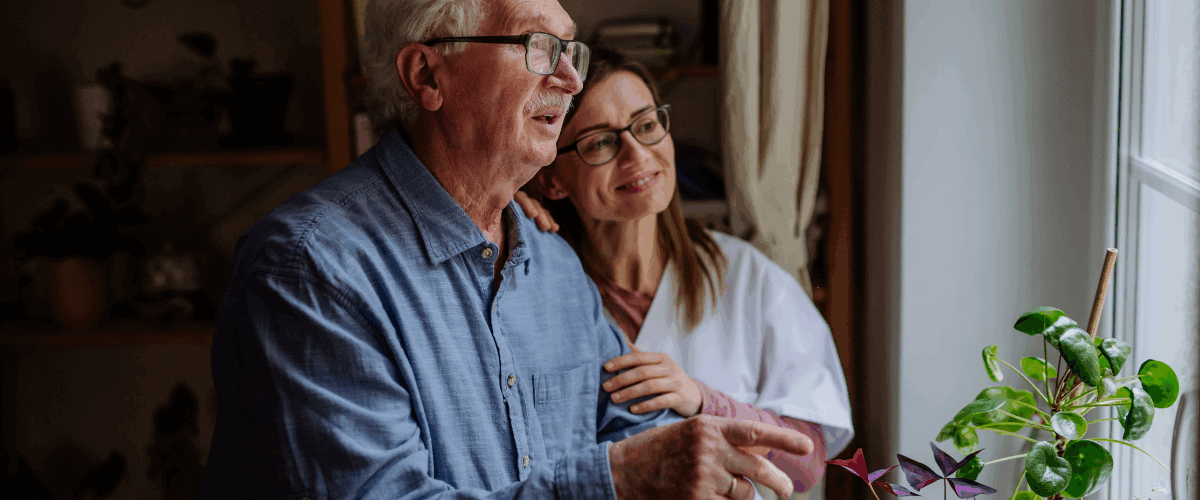
benefits of dementia care for seniors

Seven Essential Benefits of Memory Care

Memory care provides meaningful advantages for individuals facing Alzheimer’s and other forms of dementia. Specialized communities offering Alzheimer’s care for seniors in Tacoma, WA, deliver personalized support beyond basic assistance. These memory care environments address the unique challenges of cognitive decline through seven key benefits that genuinely enhance quality of life.

1. Specialized dementia-trained caregivers

Exceptional memory care starts with its staff. Caregivers receive training in dementia care techniques, helping them understand the nuances of memory disorders. Quality memory care settings prepare staff members to communicate effectively with residents who have limited verbal abilities, recognize non-verbal cues and respond appropriately to behavioral changes. These professionals understand that many behaviors are actually attempts at communication when verbal expression becomes difficult.

2. Structured routines that reduce confusion

Consistency creates comfort for those with cognitive impairments. Memory care programs establish regular daily schedules that provide predictability, reducing anxiety and agitation. Set times for meals, activities and rest help residents feel secure knowing what comes next. This structured approach helps transfer daily routines into the long-term memory portion of the brain, making each day more manageable.

3. Cognitive stimulation through memory care activities

Mental engagement remains vital for brain health. Memory care communities offer thoughtfully designed activities that stimulate cognitive function:

  • Music therapy that evokes cherished memories and emotions
  • Art projects that encourage creative expression and focus
  • Puzzles and word games that promote problem-solving
  • Reminiscence therapy that strengthens memory recall

These activities serve as purposeful interventions that can slow cognitive decline. People living with dementia who regularly participate in cognitive stimulation demonstrate better performance across all cognitive areas compared to those who don’t.

4. Personalized memory support and care plans

Each person’s journey with dementia follows a unique path. Quality memory care communities develop individualized care plans that address specific needs and preferences. These plans receive regular updates as needs evolve, ensuring care remains appropriate throughout disease progression. Personalized approaches can minimize behavioral challenges by recognizing and addressing the person’s triggers and comforts.

5. Social interaction and community engagement

Isolation often accompanies dementia, intensifying symptoms and diminishing well-being. Memory care communities create opportunities for meaningful social connections in small, comfortable groups of four to six residents. Even individuals with advanced dementia benefit from the sense of community these settings provide, with studies showing residents in specialized care units have more social interactions than those in traditional nursing homes.

6. Access to medical and nutritional support

Healthy nutrition plays a key role in brain health. Memory care programs emphasize brain-boosting food choices like leafy greens, salmon, walnuts and olive oil that support cognitive function. Staff members ensure residents stay hydrated.

7. Respite and peace of mind for family caregivers

Family caregivers often experience significant stress, with many of them suffering from depression. Memory care provides essential relief, allowing family members to shift from hands-on caregiving to simply enjoying quality time with their loved one. This transition fosters healthier relationships and improves everyone’s quality of life. These benefits highlight why specialized memory care often provides the optimal environment for your loved one’s well-being. 

memory care for seniors in Tacoma

Finding Hope and Support for Your Family

Memory care provides meaningful support for families navigating the challenges of dementia and Alzheimer’s disease. What makes memory care truly special is its focus on the whole person, not just their diagnosis. Personalized care plans honor your loved one’s preferences and history, while social engagement opportunities foster meaningful connections with others. 

The journey with dementia presents real challenges, but specialized memory care offers hope and improved quality of life for both residents and their families. When you’re ready to explore how this type of care might benefit your loved one, call People’s Senior Living at (253) 474-1741 to schedule a tour and learn more about their personalized memory support.

FAQs

Q1. What are the benefits of memory care for seniors with dementia?

Memory care offers specialized dementia-trained caregivers, structured routines to reduce confusion, cognitive stimulation activities, personalized care plans, social interaction opportunities, access to medical and nutritional support and respite for family caregivers.

Q2. How does memory care differ from standard senior care?

Memory care goes beyond standard senior care by addressing the specific challenges of dementia. It provides specialized approaches to communication, behavioral management and daily activities tailored to different stages of memory loss, promoting independence.

Q3. What activities are offered in memory care programs?

Memory care programs offer engaging activities tailored to residents’ interests and abilities. These may include music therapy, art projects, puzzles, word games, reminiscence therapy, gardening and cooking. Even those with advanced dementia can participate in simplified versions of favorite pastimes.

Man taking a deep breath

Gentle Relaxation Tips for Seniors in Assisted Living in Tacoma, WA

Summer’s end brings a perfect opportunity to explore relaxation techniques that truly matter for seniors considering senior living assistance in Tacoma, WA. Many older adults find that gentle relaxation practices improve their daily comfort and sense of well-being.

Mindfulness practice invites you to experience non-judgmental awareness, to be able to see things exactly as they are with openness. This approach offers particular value to seniors seeking peaceful moments during seasonal changes. Mindfulness supports healthy sleep patterns, while calming sleep meditation helps you unwind at bedtime, release daily tension and settle into restful sleep more easily. These gentle practices let you use your natural imagination to create relaxation for both body and mind.

man taking a deep breath

Start With the Breath

Gentle relaxation begins with something you already do naturally, breathing. Seniors exploring retirement living communities in Tacoma, WA, often find proper breathing techniques essential for daily wellness, particularly during seasonal changes like summer’s close.

A 3-minute deep breathing practice

The 3-minute breathing space practice works perfectly for seniors who want effective relaxation without requiring much time. This practice uses both narrow and wide attention to create a complete relaxation experience. Try this simple 3-minute breathing practice:

  • First minute: Attend to what is – Sit comfortably and bring yourself into the present moment. Notice any sensations, thoughts or emotions without trying to change them.
  • Second minute: Focus on the breath – Narrow your attention solely to your breathing. Be aware of the cool air flowing in through your nose and the warm air as you exhale. 
  • Third minute: Expand awareness – Widen your attention to include your entire body, holding everything in awareness. Notice how your body feels after this brief practice.

This exercise allows you to escape “automatic pilot” mode and reconnect with the present moment, creating space to respond more skillfully to stressful situations. Practice consistently for best results, ideally at least 5-10 minutes daily.

Relax the Body, One Part at a Time

Once you’ve established your breathing practice, your body is ready for deeper relaxation. Progressive muscle relaxation and body scanning provide gentle yet effective approaches for seniors, particularly as summer gives way to autumn’s calmer rhythms.

Using touch or warmth for comfort

Gentle touch releases oxytocin, a hormone connected to relaxation and feelings of well-being. As we age, therapeutic touch becomes especially valuable for emotional health and physical comfort.

Simple ways to incorporate healing touch include self-massaging your hands or feet, applying comfortable warmth through heating pads or gently kneading areas that feel tense. These approaches work with your body’s natural ability to ease discomfort. Regular therapeutic touch can improve mobility and help you feel more engaged in daily activities.

As autumn settles in, these simple relaxation techniques for seniors offer comfort and stability during seasonal changes.

self-massaging your hands or feet

Calm the Mind With Gentle Focus

Physical relaxation creates the foundation, but mental calmness completes the wellness picture. Seniors will find that mental relaxation techniques work hand-in-hand with physical practices to ensure complete well-being as summer draws to a close.

Guided imagery for peaceful thoughts

Guided imagery uses visualization of peaceful scenes to reduce stress and create tranquility. This relaxation tool delivers quick, calming effects while simultaneously relaxing both mind and body. Here’s how to practice:

  • Find a comfortable position and close your eyes
  • Picture a peaceful place, perhaps a favorite beach or quiet mountain view
  • Engage all senses: what do you see, hear, smell and feel?
  • Rest in this mental location for as long as feels comfortable

Bringing It All Together at the End of Summer

Summer’s final days create the ideal moment to weave these relaxation techniques into a complete wellness approach. This seasonal shift offers you a natural opportunity to establish practices that support your daily comfort and peace of mind.

Creating a daily relaxation routine

Regular practice brings the most meaningful results from relaxation techniques. These techniques are wonderfully accessible, requiring no special equipment and very little cost. Consider building your routine around these cherished moments:

  • Begin each morning with 5 minutes of gentle breathing
  • Allow yourself a mid-morning body scan to release any tension
  • Enjoy guided imagery before your afternoon activities
  • Close your day with calming 4-7-8 breathing to welcome restful sleep

Combining different relaxation methods allows you to create an approach that fits your personal needs. Begin your day with breathing exercises, add a midday body scan, then close your evening with guided imagery. This thoughtful combination helps manage daily stress while caring for both body and mind.

Consistency brings more benefits than perfection. Even five minutes of daily relaxation practice can meaningfully impact your overall wellness. The changing seasons create an ideal time to establish new habits that support your ongoing health and happiness.

People’s Senior Living recognizes how valuable these practices are and supports residents in building effective habits. Contact us at (253) 474-1741 to learn more about simple relaxation for seniors in your area.

FAQs

Q1. What are some simple relaxation techniques for seniors?

Simple relaxation techniques for seniors include deep breathing exercises, progressive muscle relaxation, body scanning, guided imagery and mindful breathing practices. These techniques can reduce stress, improve sleep quality and enhance overall well-being.

Q2. How can seniors incorporate relaxation into their daily routine?

Seniors can create a daily relaxation routine by starting with 5 minutes of deep breathing in the morning, scheduling a mid-morning body scan, practicing guided imagery before afternoon activities and ending the day with calming breathing exercises before bed. Consistency is key to experiencing lasting benefits.

Q3. Can relaxation practices help with seasonal changes?

Absolutely. Relaxation practices can help seniors cope with emotional shifts during seasonal transitions. Creating end-of-summer rituals, practicing mindful awareness of seasonal changes and taking mindful nature walks can foster a sense of connection and reduce stress associated with these transitions.