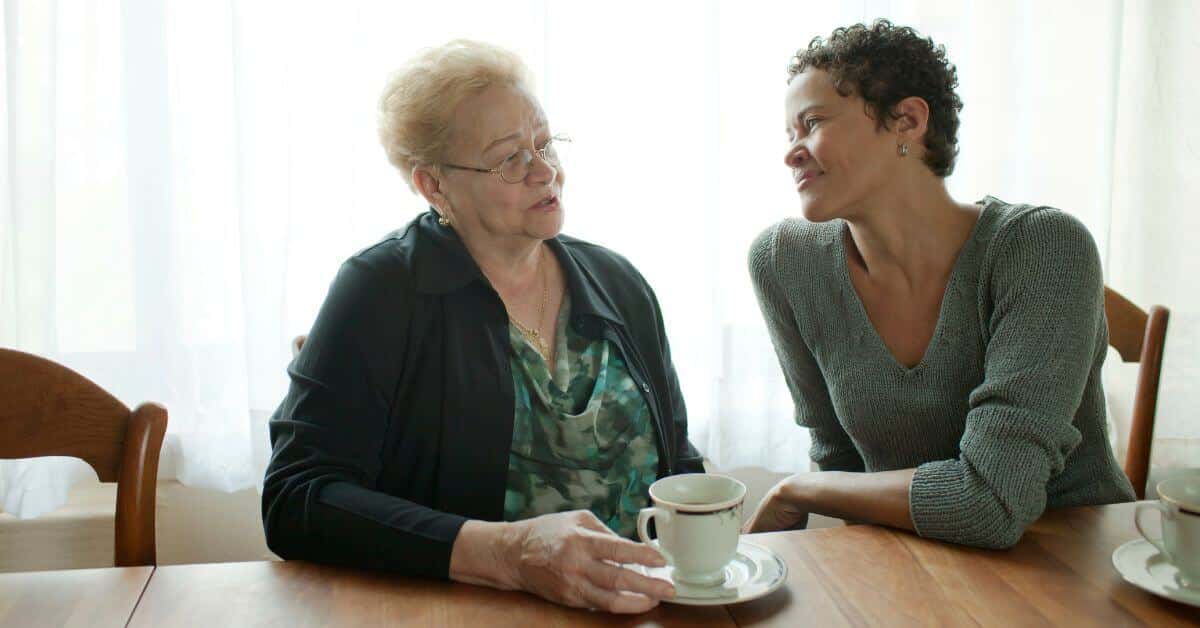
Seniors in Alzheimer’s care facility

Room-by-Room Packing Guide for Your Alzheimer’s Care Community Move

seniors in Alzheimer’s care community

The thought of moving your loved one to an Alzheimer’s care facility in Tacoma, WA, brings up so many emotions and questions, especially when you’re considering memory care. You want to get this right—to bring the things that matter most while creating a space that feels familiar.

Familiar items really do make a difference during this transition. When people with dementia can engage with their personal hobbies and meaningful belongings, they experience better well-being and may even see a slower cognitive decline. The secret lies in knowing what to pack and what to leave behind.

Familiar items really do make a difference during this transition. When people with dementia can engage with their personal hobbies and meaningful belongings, they experience better well-being and may even see a slower cognitive decline. The secret lies in knowing what to pack and what to leave behind.

This guide breaks down the packing process, room by room, for memory care Tacoma communities, including Peoples Senior Living. You’ll discover which items truly support comfort, how to put together a thoughtful care package for dementia patients and what items simply don’t belong in memory care settings.

Learn More About Our Memory Care

What to Consider Before Packing for an Alzheimer’s Care Community

Each memory care Tacoma community has its own guidelines about permitted items, room dimensions and restrictions. You’ll also want to know exactly what furniture and amenities are already provided—there’s no point hauling a dresser when one’s already waiting. 

First steps

Here’s something many families don’t think about: changes in routine hit people with dementia particularly hard. You might want to handle the packing and photo removal while your loved one is sleeping or out visiting friends. This approach spares them the emotional weight of watching their belongings disappear. When possible, let your relative help choose what comes along. People with mild cognitive decline often have surprisingly strong feelings about their cherished items. Honor those preferences when you can—it gives them some control during a time when so much feels uncertain.

Room-by-Room Packing Guide for Memory Care

Think of packing as creating a mini version of home within your loved one’s new space. Organizing belongings by where they’ll actually be used prevents important items from getting forgotten during your transition to an Alzheimer’s care community in Tacoma, WA.

Bedroom essentials

Your loved one’s wardrobe needs careful consideration in memory care settings. About one week’s worth of clothing works best—focus on comfortable, adaptive pieces like elastic-waist pants, soft tops and cozy sweaters. Label every single garment clearly to avoid laundry mix-ups. Don’t forget non-skid shoes and comfortable nightwear.

The bedroom becomes a sanctuary when you include meaningful comfort items. Pack favorite quilts, clearly labeled framed photos, familiar throws for their chair, soft night-lights and clocks with large, easy-to-read faces. These familiar sights help reduce anxiety and agitation.

Bathroom items

Keep bathroom essentials simple: toothbrushes, gentle lotions, pump-style soaps and deodorants. Electric razors or hair dryers might need approval first, so check their specific guidelines.

Documents and medical information

Your care package for dementia patients should include copies—never originals—of current medication lists, advance directives, power-of-attorney documents and recent health summaries. Store the originals somewhere at home.

Activities and hobbies

These items often become the bridge between past and present. Simple music speakers with favorite playlists, treasured photo albums, jigsaw puzzles, familiar crafts and memory boxes filled with meaningful keepsakes. They spark positive memories and create natural opportunities for social connection.

seniors in Alzheimer’s care community

What Not to Pack When Moving to Memory Care

Sharp objects top the list of items to leave at home—scissors, razors, nail clippers, metal nail files and kitchen knives. Your loved one’s medications need professional management, so over-the-counter drugs, whether topical or oral, should stay behind. Cleaning supplies and wipes aren’t needed since housekeeping takes care of those tasks.

Financial documents create unnecessary vulnerability. Keep Social Security cards, checkbooks and active credit cards with trusted family members instead. Most communities prohibit alcohol, cigarettes and lighters. Small electrical appliances pose fire risks—coffeemakers, toasters, fans and irons don’t belong in these settings.

Feeling at Home

This transition doesn’t have to feel overwhelming when you approach it thoughtfully. The right mix of cherished belongings can help your loved one feel at home in memory care communities in Tacoma.

This transition doesn’t have to feel overwhelming when you approach it thoughtfully. The right mix of cherished belongings can help your loved one feel at home in memory care communities in Tacoma.

Your loved one’s comfort matters and so does your peace of mind. When you pack with intention—room by room, focusing on what truly brings joy and supports their daily life—you’re giving them the gift of familiarity in their new environment. Every family’s situation is different and you deserve answers that fit your specific needs. Contact us at (253) 474-1741 to schedule a tour of Peoples Senior Living. 

Schedule a Tour Now

FAQs

Q1. What items should I include when packing for a memory care community? Essential items include about one week’s worth of comfortable clothing with easy fasteners, non-skid shoes, personal toiletries like toothbrushes and lotions, familiar comfort items such as favorite blankets and framed family photos and hobby supplies like music players or photo albums. Don’t forget copies of important medical documents and current medication lists.

Q2. What items are not allowed in memory care communities? Most communities prohibit sharp objects (scissors, razors, nail clippers), over-the-counter medications, cleaning supplies, financial documents like checkbooks and credit cards, alcohol and cigarettes, small electrical appliances, area rugs that pose tripping hazards and heat-generating items such as space heaters or candles. It’s best to leave valuable jewelry and family heirlooms at home to prevent loss.

Q3. How can I make the transition to memory care easier for my loved one? Involve your loved one in selecting meaningful belongings when possible and consider packing while they’re asleep or away to reduce distress. Decorate and furnish their new room before move-in day so it feels like home upon arrival. Bring familiar items that provide comfort and support their hobbies, as these help maintain well-being and slow cognitive decline.

Seniors happy in best assisted living community

When Home Care Isn’t Enough: Transitioning to the Best Assisted Living

seniors happy in best assisted living community

The decision to move to the best assisted living community in Tacoma, WA may not come easily, but recognizing when your parent needs more support can mean the difference between continued independence and a preventable crisis.

The heart of this decision comes down to one question: Does your current arrangement still keep your parent connected? When the answer becomes uncertain, it’s time to explore what else might work better.

This guide helps families identify the “tipping point” signs that home care is no longer sufficient, such as medication errors and social isolation. Discover why the best assisted living community in Tacoma, WA, offers a more connected alternative through 24/7 supervision and vibrant peer engagement for local seniors.

Learn more about our services and amenities

What are the Red Flags That Home Care Isn’t Enough Anymore and We Need the Best Assisted Living?

Watching your parent struggle can feel heartbreaking, especially when you notice warning signs. Many families discover these concerns gradually – a missed medication here, a small fall there – until the pattern becomes undeniable. There are several key indicators: noticeable changes around the house, shifts in mental health, memory concerns and growing difficulty with daily tasks.

Well-being becomes a daily worry

Those unexplained bruises on your parents’ arms start telling a story you’d rather not hear. Maybe you find scorched pans in the kitchen or discover the stove was left on overnight. These aren’t isolated incidents – they’re signals that dangerous gaps exist when caregivers go home for the day. The bruises, the burns from grabbing hot surfaces, the near-misses that leave you lying awake at night worrying about what could happen next.

Medications and meals become overwhelming

Prescription bottles that should be empty but aren’t. Pills scattered in kitchen drawers. Missed doses that land your parent in the emergency room for conditions that should be manageable. Medication misuse sends over 600,000 seniors (NIA, 2023) to emergency departments each year and you can see why when you open your parents’ refrigerator to find expired food and empty shelves.

Loneliness persists despite daily visits

Your parent used to light up when friends called. Now they let the phone ring. Social invitations get declined with excuses that sound hollow. Even with a caregiver visiting daily, family caregivers experience frequent loneliness, often linked to sleep problems, anxiety and physical frailty. The caregiver leaves and your parent faces long stretches of solitude. Those few hours of companionship can’t fill an entire day, leaving too many quiet hours that stretch endlessly.

You’re running on empty

You’re missing work meetings to handle emergencies. Sleep becomes elusive – either too much because you’re exhausted or too little because worry keeps you awake. Headaches become constant companions. Your own health starts slipping. When you realize you’re barely keeping your head above water, the current arrangement isn’t working for anyone.

Nighttime brings new fears

The phone ringing at 2 AM sends your heart racing. Your parent tried to leave the house, convinced they needed to “go home” to a place they haven’t lived in decades. Those dark hours when your parent feels most confused and vulnerable – that’s when they need someone nearby, someone who can respond within moments rather than after a frantic phone call.

senior hands in best assisted living community

What Makes Assisted Living Different From Home Care Services?

Someone’s always there vs. scheduled check-ins

Home care means caregivers come and go on set schedules – maybe a few hours each day, sometimes up to 44 hours per week. They handle their assigned tasks, then leave until their next shift. Assisted living works differently. Staff members stay on-site around the clock, with teams rotating so someone remains awake and available every hour of every day.

Real community vs. occasional companionship

Assisted living communities build their entire day around fighting isolation. Residents can walk down the hall to join fitness classes, book clubs or holiday celebrations. They eat meals together, participate in group outings and form friendships with neighbors who understand what they’re going through. The activities vary widely – from art classes to field trips to community gardens.

Home care provides companionship, but only during those scheduled hours. The rest of the time, your parent faces the same empty house and quiet rooms. Those spontaneous conversations with neighbors or impromptu card games simply can’t happen at home.

What Your Loved One Deserves

Recognizing when home care no longer meets your parent’s needs protects their quality of life. All things considered, the transition to assisted living becomes necessary when supervision gaps, medication errors or isolation create serious risks. Research thoroughly, visit communities during different times of day and trust your observations about what your loved one truly needs. Contact us at (253) 474-1741 to schedule a tour of Peoples Senior Living. 

Book a Tour Now

FAQs

Q1. Is it better to stay at home with a caregiver or move to assisted living?
It really depends on the person’s needs. Staying at home can work well if someone only needs a little help and feels most comfortable in familiar surroundings. But assisted living is often a better fit when more consistent support is needed—like 24/7 supervision, access to staff in case of emergencies and opportunities to socialize with others.

Q2. How can I make the transition to an assisted living community easier for my loved one?
Involving them in the process makes a big difference. Take them on tours, include them in conversations and give them time to adjust emotionally. Once they move in, try to make their space feel like home with familiar furniture, photos and personal items. Staying connected with regular visits or calls also helps ease the transition—especially if you start planning before it becomes urgent.

Q3. What’s the difference between home care and assisted living?
The biggest difference comes down to the level and consistency of support. Home care usually involves caregivers coming in for set hours to help with specific tasks, while assisted living provides round-the-clock staff and supervision. Assisted living also includes things like social activities, shared meals and on-site support, whereas home care is more one-on-one and happens in the person’s own home.

Senior in an alzheimer´s care facility

Alzheimer’s Care Facility Staff Decode Fear VS. Aggression

senior in an alzheimer´s care facility

Understanding your loved one’s changing behaviors starts with recognizing a simple truth in an Alzheimer’s care facility in Tacoma, WA: what appears to be anger often masks deep fear. The signs become clearer once you know what to look for. Those wide, darting eyes aren’t showing defiance—they’re scanning for safety. When your loved one backs away from help with bathing or medication, their brain’s fear center has taken control.

The sudden yelling or defensive movements that startle you represent desperate attempts at self-protection, not intentional aggression. An Alzheimer’s care facility in Tacoma, WA, can help identify this difference.

Your caregiving role shifts as Alzheimer’s progresses. Behaviors can emerge without warning or build from frustrating moments. The disease fundamentally changes how your loved one experiences the world around them, making familiar interactions feel scary or confusing. Recognizing fear behind apparent aggression opens doors to gentler, more effective ways of connecting and caring.

Recognizing Fear Signs in Your Loved One: An Alzheimer’s Care Facility Guide

Learning to spot fear responses in someone with Alzheimer’s takes careful attention to specific physical and behavioral cues. These signs help you understand when your loved one feels scared rather than truly angry.

Wide, darting eyes

Watch for changes in how your loved one uses their eyes. Fear often shows first through eyes that become unusually wide, constantly moving from one spot to another as they search for what feels dangerous. 

Backing away or moving back

When someone with Alzheimer’s feels scared, they naturally try to create space between themselves and whatever feels threatening. You might see them take small steps backward, press themselves against a wall or try to leave the room. 

Protecting their body

Scared individuals will shield themselves by raising their arms in front of their face, turning to the side or pulling their shoulders up. These protective movements come from deep survival instincts that stay strong even as memory fades.

Sudden crying or yelling

Loud outbursts usually happen when your loved one feels trapped with no way out. These sounds aren’t meant to cause trouble—they’re urgent ways of saying “I’m scared and need help.” The loudness might surprise you, but understanding these voices as fear rather than anger helps you respond with kindness instead of frustration.

Reaching out when trapped

Physical actions like swinging arms, pushing or grabbing represent the last stage of fear, typically occurring when someone feels completely stuck, with nowhere to go. These movements appear hostile, but they are actually desperate attempts at self-protection.

How Can You Tell When Fear Is Driving The Behavior?

Telling the difference between genuine hostility and scared reactions takes patience and careful attention to what you’re actually seeing. Memory care professionals know that hostile-looking moments usually tell a different story entirely.

  • Every behavior carries a message: Their behavior becomes their voice, expressing pain, confusion, overwhelming feelings or pure terror that they can’t put into words anymore.
  • Fear looks different than real anger: Fear builds gradually, starting with unease and escalating only when the person feels cornered. True anger often strikes without those telltale warning signs.
  • Most difficult behaviors signal unmet needs: Up to 96% of people with dementia show challenging behaviors because they can’t communicate basic needs (Müller-Spahn F., 2003). These unspoken needs often create behaviors that appear defiant but are actually desperate attempts at communication.
  • Simple things can trigger big reactions: Physical discomfort, such as infections, joint pain or constipation, can cause intense distress. Environmental elements matter too—loud televisions, unfamiliar people, cluttered spaces or even a room that’s too cold can spark fear responses. 
senior in an alzheimer´s care facility

How Caring Professionals Respond When Fear Takes Over

Trained memory care professionals understand that behind every challenging moment lies a person who needs understanding, not confrontation. At professional memory care settings, staff respond to fear-based behaviors with both heart and expertise, using approaches that honor your loved one’s self-esteem while keeping everyone comfortable.

The gentle art of reading distress signals

Memory care professionals develop a special skill in recognizing the early whispers of distress before they become cries for help. They watch for subtle changes in breathing, posture or facial expressions that signal rising anxiety. This early recognition allows them to step in with comfort and redirection before fear takes complete hold.

Building trust through person-centered care

Person-centered care means seeing the whole person, not just the diagnosis. This involves honoring their life story, respecting their preferences and creating opportunities for them to feel valued and understood.

Creating spaces that feel like home

Thoughtful staff pay attention to lighting that feels warm rather than harsh, sounds that comfort rather than startle and spaces that invite calm rather than create confusion. They understand that even small changes can make the difference between a fearful day and a peaceful one.

They Need Your Love

Understanding the difference between fear and aggression transforms how you approach care for your loved one with Alzheimer’s. Throughout this journey, recognizing that wide eyes, retreating behaviors and protective responses signal fear rather than hostility allows for more compassionate interventions.

Fear-based behaviors actually represent your loved one’s attempts at communication when words fail them. Therefore, what might appear as aggression often masks underlying needs, discomfort or confusion that they can no longer articulate clearly.

Professional memory care environments offer significant advantages for families navigating these complex behavioral changes. Specially trained staff members use structured approaches to systematically identify triggers and develop personalized interventions. Additionally, these professionals understand how environmental factors influence behavior, making thoughtful adjustments to create calming, supportive spaces.

Call Peoples Senior Living at (253) 474-1741 and schedule a tour to witness firsthand how trained professionals implement these evidence-based approaches in a supportive environment.

FAQs

Q1. How can caregivers tell the difference between fear and aggression in someone with Alzheimer’s?

Many behaviors that look aggressive are actually fear responses. Signs like wide or darting eyes, pulling away, flinching, shouting or striking out when someone feels trapped usually point to fear. True aggression is less defensive and often appears without an obvious trigger. Recognizing the difference allows caregivers to respond with more patience and compassion.

Q2. What typically triggers difficult behaviors in people with Alzheimer’s?

Challenging behaviors often come from unmet needs. Pain, hunger, fatigue or discomfort, along with noise, clutter or unfamiliar surroundings, can overwhelm someone with Alzheimer’s. Emotional distress, medication side effects and vision or hearing problems can also make confusion and frustration worse.

Q3. How do memory care communities manage difficult behaviors?

Memory care teams use person-centered, evidence-based approaches that focus on understanding what the person is feeling and why. They adjust routines, provide reassurance and create calm, supportive environments designed to reduce stress and help residents feel comfortable and understood.

Seniors happy in the best assisted living community

Best Assisted Living Community for Restoring Daughter and Mom Bonds

seniors happy in the best assisted living community

Most of the family caregivers in the United States are women caring for their aging mothers. This dynamic often changes daughters from loving family members into medical managers, turning conversations from shared memories to medication reminders. Finding the best assisted living community in Tacoma, WA, might be exactly what restores this precious relationship.

Moving Mom to assisted living doesn’t mean giving up as a daughter; it means giving back the relationship that matters most by removing care burdens and creating space for a genuine connection to grow again.

Peoples Senior Living offers a boutique experience with personalized care and engaging daily activities, so you can step away from caregiver duties. This change isn’t about walking away, it’s about healing. Many mother-daughter relationships carry difficult patterns from earlier generations and professional care gives you room to break these cycles and find joy in your relationship again.

What Happens in an Assisted Living When Daughters Become Caregivers Instead Of Just Daughters?

Caring for an aging mother creates a heartbreaking shift that many families experience but rarely discuss openly. The daughter who once called to share daily joys now finds herself managing medication schedules and doctor appointments. This role change carries profound emotional weight, affecting both mothers and daughters in ways that go far beyond the practical demands of care.

When your identity shifts from daughter to medical manager

The moment you become your mother’s primary caregiver, something fundamental changes in your relationship. Young adult daughters face particularly intense challenges, experiencing higher rates of depression, caregiving distress and emotional burden compared to other family caregivers. This shift feels especially overwhelming when you’re still figuring out your own adult life.

How caregiving stress shows up in daily life

The strain becomes visible in countless ways throughout your day. Women juggling parent care alongside their own families, marriages and careers face constant internal conflict about where to focus their energy. The physical and emotional toll becomes undeniable.

Caregivers experience depression at twice the national average. More than half report that their own health has declined because of caregiving responsibilities (Family Caregiver Alliance, n.d.).

From heart-to-heart talks to healthcare logistics

The most painful change might be how your conversations transform. Those meaningful exchanges about life, dreams and shared memories gradually give way to discussions about medications, safety concerns and medical appointments.

Healthcare experts increasingly recognize that “love is not a care plan”. While your devotion motivates you to provide care personally, this approach often damages the very relationship you’re trying to protect. Both you and your mother lose the emotional connection that made your bond special in the first place.

seniors happy in the best assisted living community

How Assisted Living Helps Daughters Become Daughters Again

When your mother moves to a caring professional environment, strained relationships begin to heal. The weight of medical management lifts, creating space for genuine connection to flourish.

Caring professionals at Peoples Senior Living take on daily responsibilities

At Peoples Senior Living, trained staff provide care, including assistance with medications, personal care and daily activities. This support allows daughters to step back from constant caregiving demands. Professional teams work together to minimize falls, hospitalizations and medication issues.

This care partnership doesn’t mean stepping back; it means showing up differently.

Professional care reduces family tension and worry

Family-staff relationships in senior living can face challenges, particularly when expectations around care involvement are unclear. Positive family-staff communication directly impacts residents’ health and well-being while reducing staff burnout and turnover.

Being trained in communication skills and conflict resolution improves relationships between families and staff. Families experienced significant improvements in communication with staff after such interventions.

Rediscovering cherished moments together

Perhaps the most heartwarming benefit comes from relationship healing. Assisted living allows daughters to “return to being a son or daughter, not just a caregiver”. Rather than managing medications or safety concerns, you can share meals, attend events and focus on meaningful moments together.

Regular, meaningful interactions significantly enhance residents’ emotional and psychological well-being. Simple activities like reading together, working on puzzles or enjoying favorite movies create shared experiences that foster connection.

Emotional Comfort Sharpens Minds

The journey from daughter to caregiver often transforms loving relationships into medical management scenarios, yet this shift need not be permanent. Therefore, choosing the best assisted living community represents a pivotal decision that can heal and restore your fundamental bond with your mom. Rather than remaining trapped in the caregiver role with its accompanying stress, depression and deteriorating health, you can reclaim your identity as a daughter.

Delegating care responsibilities to trained professionals at Peoples Senior Living allows you to step back from the logistics of medications, appointments and safety concerns. Consequently, your conversations can shift from treatment schedules to treasured memories and meaningful exchanges. This transition creates space for both you and your mother to experience the biological benefits of positive interaction—replacing stress-inducing cortisol with bonding-promoting oxytocin.

Many daughters express feeling liberated after making this transition, finally able to enjoy their mother’s company without the underlying anxiety about care management. Though the decision may initially seem difficult, countless families report that it ultimately saved their relationship. 

Call Peoples Senior Living at (253) 474-1741 and schedule a tour to see firsthand how our supportive environment can transform your relationship dynamics.

FAQs

Q1. How does assisted living help restore mother–daughter relationships?

Assisted living relieves daughters of the heavy burden of daily caregiving. With professionals handling personal care, meals and medications, daughters are free to simply be daughters again—sharing conversations, laughter and meaningful moments with their mothers.

Q2. What are the emotional benefits of moving to assisted living?

This transition often eases stress for both mothers and daughters. With worries about safety and care reduced, they can enjoy a more relaxed, positive time together. These moments naturally increase bonding hormones like oxytocin, helping both feel closer, calmer and emotionally supported.

Q3. How can caregiving strain the mother–daughter relationship?

When a daughter becomes the primary caregiver, the relationship can shift from loving and mutual to task-focused and medical. This role change often creates emotional fatigue, frustration and sadness, leaving less space for warmth, connection and shared joy.