

Senior in an alzheimer´s care facility

Alzheimer’s Care Facility Staff Decode Fear VS. Aggression

senior in an alzheimer´s care facility

Understanding your loved one’s changing behaviors starts with recognizing a simple truth in an Alzheimer’s care facility in Tacoma, WA: what appears to be anger often masks deep fear. The signs become clearer once you know what to look for. Those wide, darting eyes aren’t showing defiance—they’re scanning for safety. When your loved one backs away from help with bathing or medication, their brain’s fear center has taken control.

The sudden yelling or defensive movements that startle you represent desperate attempts at self-protection, not intentional aggression. An Alzheimer’s care facility in Tacoma, WA, can help identify this difference.

Your caregiving role shifts as Alzheimer’s progresses. Behaviors can emerge without warning or build from frustrating moments. The disease fundamentally changes how your loved one experiences the world around them, making familiar interactions feel scary or confusing. Recognizing fear behind apparent aggression opens doors to gentler, more effective ways of connecting and caring.

Recognizing Fear Signs in Your Loved One: An Alzheimer’s Care Facility Guide

Learning to spot fear responses in someone with Alzheimer’s takes careful attention to specific physical and behavioral cues. These signs help you understand when your loved one feels scared rather than truly angry.

Wide, darting eyes

Watch for changes in how your loved one uses their eyes. Fear often shows first through eyes that become unusually wide, constantly moving from one spot to another as they search for what feels dangerous. 

Backing away or moving back

When someone with Alzheimer’s feels scared, they naturally try to create space between themselves and whatever feels threatening. You might see them take small steps backward, press themselves against a wall or try to leave the room. 

Protecting their body

Scared individuals will shield themselves by raising their arms in front of their face, turning to the side or pulling their shoulders up. These protective movements come from deep survival instincts that stay strong even as memory fades.

Sudden crying or yelling

Loud outbursts usually happen when your loved one feels trapped with no way out. These sounds aren’t meant to cause trouble—they’re urgent ways of saying “I’m scared and need help.” The loudness might surprise you, but understanding these voices as fear rather than anger helps you respond with kindness instead of frustration.

Reaching out when trapped

Physical actions like swinging arms, pushing or grabbing represent the last stage of fear, typically occurring when someone feels completely stuck, with nowhere to go. These movements appear hostile, but they are actually desperate attempts at self-protection.

How Can You Tell When Fear Is Driving The Behavior?

Telling the difference between genuine hostility and scared reactions takes patience and careful attention to what you’re actually seeing. Memory care professionals know that hostile-looking moments usually tell a different story entirely.

  • Every behavior carries a message: Their behavior becomes their voice, expressing pain, confusion, overwhelming feelings or pure terror that they can’t put into words anymore.
  • Fear looks different than real anger: Fear builds gradually, starting with unease and escalating only when the person feels cornered. True anger often strikes without those telltale warning signs.
  • Most difficult behaviors signal unmet needs: Up to 96% of people with dementia show challenging behaviors because they can’t communicate basic needs (Müller-Spahn F., 2003). These unspoken needs often create behaviors that appear defiant but are actually desperate attempts at communication.
  • Simple things can trigger big reactions: Physical discomfort, such as infections, joint pain or constipation, can cause intense distress. Environmental elements matter too—loud televisions, unfamiliar people, cluttered spaces or even a room that’s too cold can spark fear responses. 

senior in an alzheimer´s care facility

How Caring Professionals Respond When Fear Takes Over

Trained memory care professionals understand that behind every challenging moment lies a person who needs understanding, not confrontation. At professional memory care settings, staff respond to fear-based behaviors with both heart and expertise, using approaches that honor your loved one’s self-esteem while keeping everyone comfortable.

The gentle art of reading distress signals

Memory care professionals develop a special skill in recognizing the early whispers of distress before they become cries for help. They watch for subtle changes in breathing, posture or facial expressions that signal rising anxiety. This early recognition allows them to step in with comfort and redirection before fear takes complete hold.

Building trust through person-centered care

Person-centered care means seeing the whole person, not just the diagnosis. This involves honoring their life story, respecting their preferences and creating opportunities for them to feel valued and understood.

Creating spaces that feel like home

Thoughtful staff pay attention to lighting that feels warm rather than harsh, sounds that comfort rather than startle and spaces that invite calm rather than create confusion. They understand that even small changes can make the difference between a fearful day and a peaceful one.

They Need Your Love

Understanding the difference between fear and aggression transforms how you approach care for your loved one with Alzheimer’s. Throughout this journey, recognizing that wide eyes, retreating behaviors and protective responses signal fear rather than hostility allows for more compassionate interventions.

Fear-based behaviors actually represent your loved one’s attempts at communication when words fail them. Therefore, what might appear as aggression often masks underlying needs, discomfort or confusion that they can no longer articulate clearly.

Professional memory care environments offer significant advantages for families navigating these complex behavioral changes. Specially trained staff members use structured approaches to systematically identify triggers and develop personalized interventions. Additionally, these professionals understand how environmental factors influence behavior, making thoughtful adjustments to create calming, supportive spaces.

Call Peoples Senior Living at (253) 474-1741 and schedule a tour to witness firsthand how trained professionals implement these evidence-based approaches in a supportive environment.

FAQs

Q1. How can caregivers tell the difference between fear and aggression in someone with Alzheimer’s?

Many behaviors that look aggressive are actually fear responses. Signs like wide or darting eyes, pulling away, flinching, shouting or striking out when someone feels trapped usually point to fear. True aggression is less defensive and often appears without an obvious trigger. Recognizing the difference allows caregivers to respond with more patience and compassion.

Q2. What typically triggers difficult behaviors in people with Alzheimer’s?

Challenging behaviors often come from unmet needs. Pain, hunger, fatigue or discomfort, along with noise, clutter or unfamiliar surroundings, can overwhelm someone with Alzheimer’s. Emotional distress, medication side effects and vision or hearing problems can also make confusion and frustration worse.

Q3. How do memory care communities manage difficult behaviors?

Memory care teams use person-centered, evidence-based approaches that focus on understanding what the person is feeling and why. They adjust routines, provide reassurance and create calm, supportive environments designed to reduce stress and help residents feel comfortable and understood.

Memory care

Memory Care: The Heart-Warming Power of Music

memory care

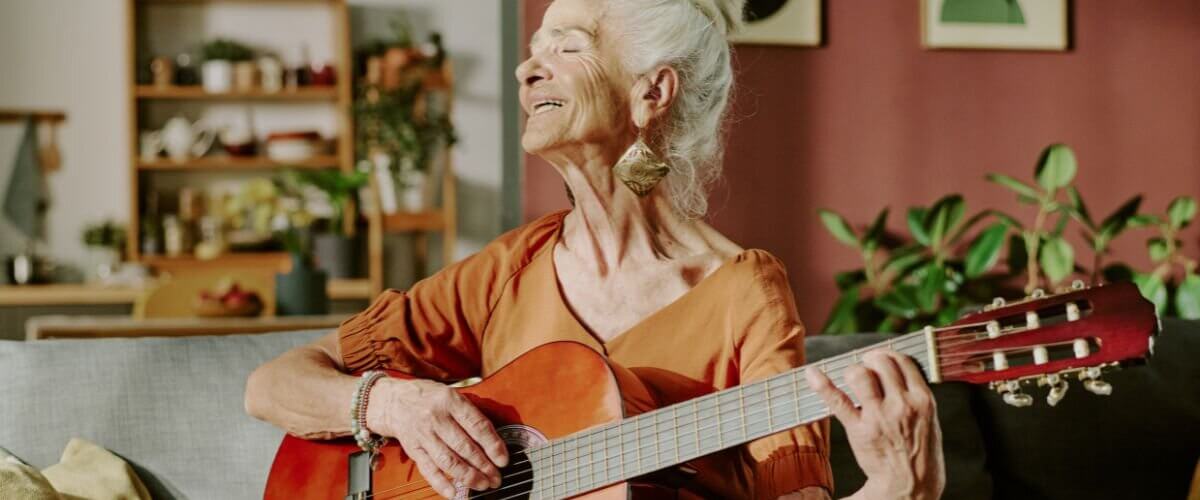
Music holds a special place in the hearts and minds of seniors living with dementia. Those beloved melodies from younger days can spark recognition and joy even when other memories seem distant. The science behind this remarkable connection reveals why a favorite song can still bring smiles—a therapeutic approach embraced by compassionate memory care in Tacoma, WA, to offer comfort when so much else feels uncertain.

Music therapy offers profound benefits for seniors with dementia because musical memories are stored in brain regions that remain largely unaffected by Alzheimer’s disease, creating lasting pathways for connection and emotional recall.

Expert strategies for using personalized playlists and nostalgic melodies soothe agitation and spark joy in seniors. This guide explores how compassionate memory care uses music therapy to unlock memories, improve daily routines and foster deep emotional connections for those with dementia.

Creating Meaningful Musical Moments in Memory Care

Music holds the power to reach seniors when other forms of communication fail. The right approach can turn an ordinary day into one filled with recognition, joy and genuine connection. These six strategies will help you use music effectively with seniors experiencing memory challenges.

1. Create personalized playlists

Individual playlists built around each resident’s preferences create the strongest emotional responses. Unlike generic background music, personalized selections connect directly with specific life memories. Interview family members about the resident’s musical history, beloved artists and songs that held special meaning. Digital platforms now make creating multiple personalized playlists easier than ever, allowing caregivers to choose appropriate music for different residents and situations.

2. Focus on music from their younger years

Songs from a person’s formative years (ages 10-30) spark the strongest emotional responses and memory recall. This period represents when most people developed their musical tastes and formed significant life memories. Songs from when the person was between 10 and 30 years of age most effectively trigger autobiographical memories. These melodies often stay accessible even when other memories fade, since they’re stored in brain areas less affected by dementia.

3. Weave music into daily routines

Music woven into daily activities creates structure and comfort through predictability. Use specific genres or playlists as gentle cues for different times of day. Upbeat morning music energizes, while calming melodies before bedtime signal time to wind down. This approach helps establish beneficial routines since music enhances motivation during physical activity. The consistency brings comfort through familiarity and reduces confusion during transitions between activities.

4. Calm agitation with carefully chosen music

Music therapy significantly decreases agitation in hospitalized patients with Alzheimer’s disease and related dementias. Music works as an effective intervention because the brain areas that recognize music remain largely unaffected by dementia. Keep the volume comfortable, minimize competing noises and watch carefully how different songs affect each individual’s mood. Soft classical music or gentle instrumental pieces often work well during moments of distress.

5. Build community through group singing

Group singing creates valuable social connections alongside cognitive stimulation. Even residents with limited verbal abilities often join in familiar choruses or tap along to the rhythm. Group participation fosters belonging and community while exercising memory recall. Singing together, especially familiar songs, offers meaningful emotional and social benefits for many people living with dementia.

6. Enhance transitions and mealtimes with music

Mealtime music increases time spent at the table and improves nutritional intake. Gentle background music during meals creates a pleasant atmosphere that encourages appetite and social interaction. Music during transitions between activities or locations also reduces stress associated with change. Instrumental covers of popular songs work particularly well during these times, familiar enough to comfort yet not distracting from the task at hand.

memory care

Why Familiar Songs Reach Seniors With Memory Challenges

Musical memory operates somewhat independently from other memory systems, which explains why familiar tunes often remain accessible even as other cognitive abilities change (Matziorinis, A. M., & Koelsch, S., 2022). While dementia affects the formation of new memories and recent recall, studies consistently show that people can still recognize beloved songs and sing along to music from their younger years. This happens because music activates multiple brain networks simultaneously, engaging areas for hearing, emotion, movement and memory all at once.

The key isn’t whether the music feels happy or sad, but rather that sweet spot of emotional connection that helps memories take hold.

Creating Lasting Connections Through Music

Music holds a special place in memory care, offering families a bridge to their loved ones when other forms of connection feel out of reach. The melodies that once filled your shared moments together remain accessible, creating opportunities for joy and recognition even when other abilities fade.

Even when recognition fades and conversation becomes difficult, music continues to reach the person you love. Those familiar melodies speak directly to emotions that remain intact, offering comfort and connection that transcends the challenges of dementia.

If you’re considering memory care options or seeking ways to enhance your visits, music therapy programs can make a meaningful difference. Call Peoples Senior Living at (253) 474-1741 to discover how their specialized programs support both residents and families.

FAQs

Q1. How does music actually help seniors living with dementia?
Music reaches parts of the brain that often stay active longer, even with Alzheimer’s or other forms of dementia. When a familiar song plays, it can unlock memories and emotions that feel out of reach otherwise. That’s why you’ll often see seniors light up, relax or even sing along—music helps them reconnect in ways words sometimes can’t.

Q2. What kind of music works best in memory care settings?
Personalized music makes the biggest impact. Songs from someone’s teens and early adulthood—roughly ages 10 to 30—tend to be especially powerful. These tracks are closely tied to life experiences, so they’re more likely to spark recognition, comfort and emotional connection.

Q3. How can families use music to stay connected with a loved one in memory care?
Music can become a shared language. Families often create custom playlists, sing familiar songs together during visits or use music to mark special moments like birthdays or holidays. Even if conversation is limited, listening to a favorite song together can create calm, joy and meaningful connection.

Memory care

Memory Care Tips to Create a Secure Financial Future?

memory care

Planning for a loved one’s memory care brings both emotional and financial considerations that deserve careful attention. Families researching quality memory care in Tacoma, WA and beyond often feel overwhelmed when first encountering these costs. At Peoples Senior Living, we share these financial realities openly because every family deserves to plan with complete information.

The key to successful memory care financial planning lies in starting early, understanding all available resources and creating protective measures that ensure quality care while preserving family economic stability.

This guide outlines the real cost of specialized dementia care, details the services included in the fee and provides essential financial planning tips and funding resources to secure a stable future.

How Much Does Memory Care Cost?

In the Tacoma and Puyallup region, cost range is $8,000-$14,000 monthly. These numbers represent more than simple housing costs, particularly when we consider that dementia care requires more resources than treating conditions like heart disease or cancer. Over the course of two years, the average cost of dementia care totals approximately $240,000. Peoples Senior Living’s average is $180,000 in 2026. 

The starting costs for Memory Care at Peoples Senior Living in 2026 typically range from approximately $6,500 to $9,000 per month. While specific pricing depends on the resident’s required level of care and room choice, the monthly fee is generally all-inclusive. This cost covers essential services, including daily chef-prepared meals, weekly housekeeping, 24-hour staff support, assistance with daily living activities, medication management and specialized, engaging memory care activities.

What Services are Included in a Memory Care Community Fee?

Memory care communities bundle essential services into their monthly fees, creating comprehensive support systems for residents. These carefully designed programs typically include:

  • Specially designed living environments
  • Three nutritious daily meals plus snacks adapted for cognitive needs
  • Round-the-clock supervision from dementia-trained staff
  • Personal care assistance
  • Medication oversight and health monitoring
  • Housekeeping and laundry services
  • Therapeutic activities and cognitive stimulation programs
  • Structured daily routines that provide comfort and stability

Many communities add transportation services, wellness monitoring and emergency response systems to their standard offerings.

Creating Your Family’s Financial Plan for Memory Care

Planning for memory care gives families confidence and peace of mind during a challenging time. At Peoples Senior Living, we understand that building a strong financial foundation begins with understanding costs and creating practical strategies tailored to your unique situation.

How to build a complete memory care budget?

A thoughtful budget helps families prepare for both current and future expenses. Start by gathering information about all potential costs your family might face:

  • Ongoing medical treatment for symptoms and regular follow-up visits
  • Safety-related expenses like home modifications and wandering prevention systems
  • Prescription medications
  • Personal care supplies
  • Adult day care services or in-home care costs
  • Full-time residential care services if needed in the future.

Planning for changing care needs

Since Alzheimer’s progresses over time, care requirements typically increase as the condition advances. Thoughtful financial planning takes into account these changing needs across various stages. Here’s how to assess future requirements:

  1. Consult with healthcare providers about the typical progression of symptoms.
  2. Consider potential transitions from in-home care to residential communities.
  3. Establish a care cost range from minimal support to intensive care.

Making financial management easier with automation

Automatic payments for bills and recurring expenses prevent missed payments and reduce stress for busy caregivers. Automation helps by ensuring the timely payment of memory care community fees, consistently managing utility bills, handling insurance premium payments and freeing up mental energy for other caregiving tasks.

memory care

Financial Resources for Memory Care

Most families discover that covering memory care costs requires combining several funding sources. Each family’s situation presents unique opportunities and exploring these options early helps create a stable financial foundation.

  • Long-term care insurance coverage for memory care
  • Government support through Medicaid and SSI (Alzheimer’s Association, n.d.)
  • Home equity and reverse mortgage considerations
  • Community assistance and nonprofit programs

Creating Peace of Mind for Your Family’s Future

Memory care planning stands as one of the most heartfelt decisions families make when caring for someone they love. This guide has walked you through the real costs of quality memory care. Numbers matter because they represent your family’s security and your loved one’s well-being.

The services bundled into memory care fees—comfortable housing, round-the-clock support, specialized meals and therapeutic activities—deliver genuine value. Yet families still need realistic budgets that grow with changing care needs.

Multiple funding sources often work best for covering the expenses of memory care. Long-term care insurance purchased before a diagnosis can significantly ease the financial burden. Government programs, such as Medicaid and SSI, offer essential support to qualifying families. Home equity options, such as reverse mortgages, provide another path; however, each choice comes with trade-offs that warrant careful consideration.

You don’t need to figure this out alone. Peoples Senior Living in Tacoma provides personalized guidance to families exploring memory care choices. Take your first step toward financial confidence by calling Peoples Senior Living today at (253) 474-1741 to schedule a tour and discuss your family’s planning needs. With thoughtful preparation, you can ensure your loved one receives excellent memory care while maintaining financial stability for everyone you care about.

FAQs

Q1. How much does memory care typically cost?

Over the course of two years, the average cost of dementia care totals approximately $240,000. Peoples Senior Living average is $180,000 in 2026. Prices vary widely depending on location, level of care and amenities offered.

Q2. What financial planning steps should families take for long-term memory care?

Families should build a detailed budget that accounts for medical needs, safety adjustments and potential transitions between care levels. It’s also essential to prepare key legal documents early, such as a power of attorney and a living will and consult with financial planners or elder law attorneys for long-term guidance.

Q3. What funding sources are available for memory care expenses?

Standard funding options include long-term care insurance (if purchased before diagnosis), Medicaid, Supplemental Security Income (SSI), home equity or reverse mortgage programs and support from community or nonprofit organizations. Each resource has specific eligibility rules and guidelines that should be reviewed.

Memory care

What Are The Benefits of Specialized Memory Care Support?

memory care

Senior living, specializing in memory care in Tacoma, WA, has become essential as families face the growing challenges of dementia. The real value of memory care extends far beyond what standard assisted living can offer. These thoughtfully designed environments provide trained caregivers, healthy spaces and personalized programs created specifically for individuals facing cognitive challenges.

Specialized memory care offers comprehensive support that goes far beyond basic assisted living, providing trained staff, secure environments and personalized programs specifically designed for cognitive impairments.

Choosing the right memory care becomes crucial when you’re supporting a loved one through this journey. People’s Senior Living and other dedicated providers create spaces where expert staff training, meaningful activities and carefully planned environments work together to protect dignity while enhancing daily life. Specialized Alzheimer’s programs and person-centered care can truly make a difference in symptom management while bringing peace of mind to your family.

Why are the Activities in a Memory Care Community Different from General Assisted Living Activities?

Memory care activities are specifically designed to stimulate cognitive function and promote well-being. Unlike general assisted living programs, these activities are carefully tailored to each resident’s cognitive abilities and stage of memory loss.

Specialized programs include music therapy to evoke cherished memories and emotions, art therapy for creative expression and motor skills, reminiscence therapy using familiar objects to recall joyful moments and sensory stimulation activities that engage multiple senses.

These structured activities are strategically scheduled to promote consistency, helping reduce stress, improve sleep patterns and minimize sundowning symptoms. Each program recognizes that residents deserve activities that honor their capabilities while providing appropriate support.

memory care

What is Specialized Memory Care Support?

Memory care communities provide residential long-term care designed specifically for individuals facing memory challenges. These specialized units create environments where residents receive support tailored to their cognitive needs. Nearly all memory care communities feature building designs that prevent residents from exiting unescorted, along with staff members trained in specialized dementia care.

How is it different from general assisted living?

The differences between general assisted living and specialized memory care are significant.Memory care communities maintain smaller staff-to-resident ratios, ensuring personalized attention for residents with intensive care needs. 

The physical design creates immediate distinctions. Most memory care features:

  • Environments with alarmed systems
  • Clear signage and visual cues
  • Enclosed outdoor spaces
  • Simplified floor plans to reduce confusion

What conditions does it typically support?

Specialized memory care primarily serves individuals with:

  • Alzheimer’s disease
  • Vascular dementia
  • Frontotemporal dementia
  • Lewy body dementia
  • Other forms of cognitive impairment

These programs become particularly valuable as conditions advance. Since dementia is a progressive disease that can be slowed but not reversed or cured, memory care provides appropriate support throughout various stages of cognitive decline.

Why is it considered a long-term care solution?

Memory care serves as a long-term solution because mid-to-late stages of dementia require continuous supervision. Studies show people with dementia who enter memory care assisted living demonstrate a lower risk of nursing home admission compared to those in general assisted living (Cornell, P. et al, 2022)

Memory care provides reassurance for families who no longer worry about their loved one’s well-being. The structured environment with consistent routines helps reduce stress for people with Alzheimer’s or dementia, making daily life more manageable as conditions progress.

Most importantly, memory care providers provide consistent support through all stages of memory loss, eliminating the need to relocate to different care environments as conditions advance.

How do staff handle behavioral changes?

Well-trained caregivers understand that challenging behaviors—such as aggression, anxiety or wandering—represent attempts at communication rather than random actions. Through proper training, staff learn to recognize what might trigger these responses, including physical discomfort, hunger, environmental shifts or emotional needs.

Rather than reacting with frustration, trained caregivers use proven approaches such as:

  • Validation therapy that honors feelings and emotions
  • Gentle redirection away from distressing situations
  • Calming environments with reduced noise and distractions
  • Consistent daily routines that create comfort

Staff also learn to ensure physical comfort, avoid arguments about facts, redirect attention thoughtfully and remember that behaviors aren’t personal attacks.

Shifting from Constant Worry to Meaningful Connection

Specialized memory care offers families a path forward when dementia changes everything. These communities can create something far more valuable than basic housing—they build environments where your loved one’s unique story continues to matter, even as memory changes.

The activities and therapies serve a deeper purpose than keeping busy. Cognitive stimulation, music that awakens memories, art that allows self-expression—these programs specifically address how dementia affects the brain while creating opportunities for joy and connection.

Perhaps most importantly, memory care transforms your family’s experience. You can avoid the constant worry and exhaustion of round-the-clock caregiving. This transition allows you to return to being a loving daughter, devoted spouse or caring son, rather than solely a caregiver struggling to manage complex medical needs.

Call People’s Senior Living at (253) 474-1741 to schedule a tour and see how specialized memory care can transform this challenging journey for both your loved one and your family.

FAQs

Q1. What makes specialized memory care different from general assisted living?
Specialized memory care is designed specifically for people living with dementia or Alzheimer’s. These communities offer secure environments, staff trained in cognitive care, personalized support plans and daily therapeutic activities—all aimed at helping residents stay engaged and comfortable.

Q2. What kinds of activities do memory care programs usually offer?
Memory care programs provide activities that match each resident’s cognitive abilities. This often includes cognitive stimulation exercises, music and art therapy, reminiscence sessions and sensory-based activities. The goal is to support cognitive function, ease anxiety and create opportunities for meaningful social interaction.

Q3. What emotional benefits does memory care offer for residents and families?
Memory care communities help residents feel more connected and less isolated by encouraging social interaction and routine engagement. Families also benefit—they gain peace of mind knowing their loved one is supported and they’re able to shift from full-time caregiving back to enjoying quality moments together.