People often discover that choosing assisted living in Tacoma, WA, is not about what you lose. It is about what becomes possible when the right support shows up at the right time.
You are not giving up independence. You are gaining the support that allows you to live with more confidence, more connection and more peace of mind.
What if moving to a community like Cascade Park Gardens was not about admitting defeat? What if it were about choosing connection over isolation, support over struggle and belonging over being alone? That shift in perspective changes everything.
Learn More About Our CommunitiesWhat Creates the Feeling of Home at Cascade Park Gardens?
Home is not about furniture or square footage. It is about belonging.
What Do You Notice First When You Walk Inside?
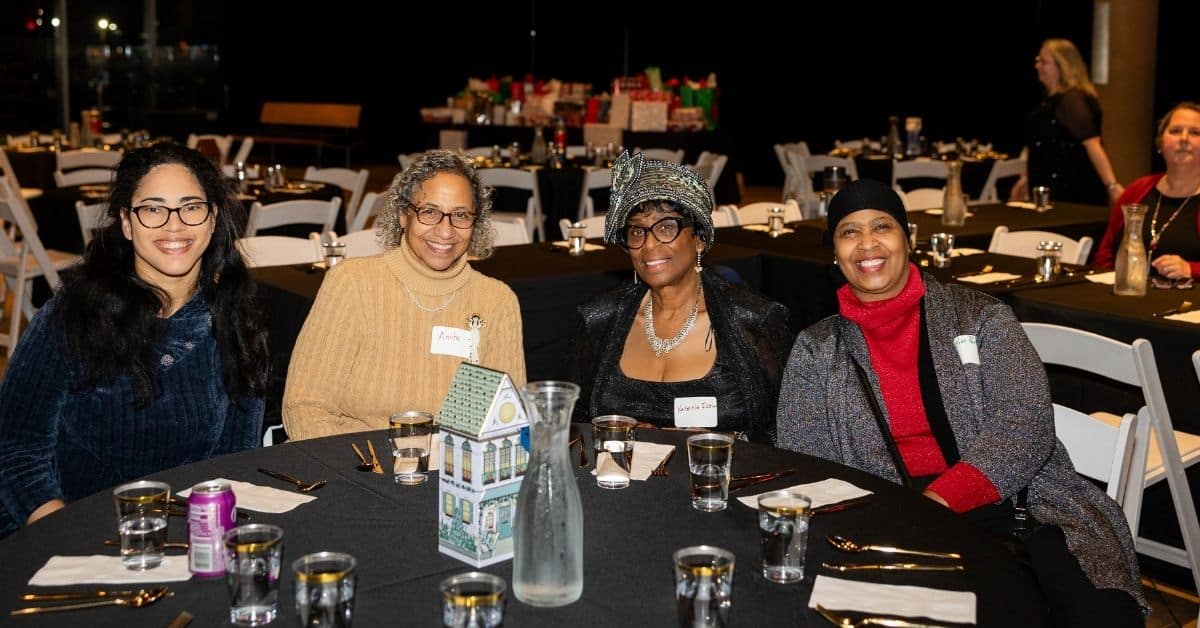
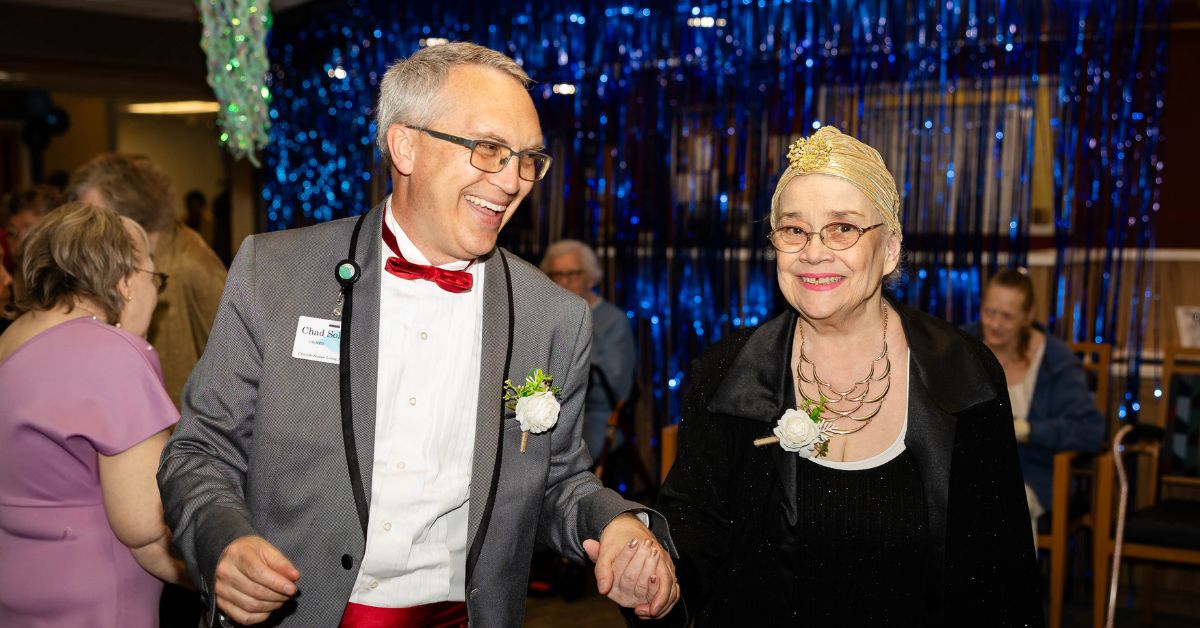
The warmth feels immediate. Natural light fills shared spaces. Comfortable seating encourages conversation rather than isolation. The environment feels calm, familiar and welcoming instead of clinical or institutional. Community spaces are designed for real connection. Residents gather over coffee, share stories after meals or simply spend quiet afternoons together without pressure or rigid structure.
Why Does Personal Space Matter More Than People Realize?
A favorite quilt. Framed family photos. Books collected over decades. Familiar furniture is placed exactly where someone likes it. These details may seem small, but they help transform a room into something emotionally grounding and personal. When residents can surround themselves with meaningful belongings, the space begins to feel like theirs rather than temporary housing.
What Happens When Your Day Follows Your Rhythm?
One of the biggest misconceptions about assisted living is that every day follows a rigid schedule. In reality, good assisted living creates structure without taking away personal choice (Alomari & Steinke, 2024).
Some residents wake up early and enjoy quiet mornings. Others prefer slower starts to the day. Some enjoy every social activity available, while others prefer smaller interactions and peaceful routines. Residents choose how they spend their time, which activities matter to them and how involved they want to be in community life.
When Support Creates More Freedom, Not Less
True independence does not mean doing everything alone. It means having the right support to continue living confidently.
What Difference Does Personalized Support Make?
Care becomes very different when staff understand the person behind the care plan. At Cascade Park Gardens, support is built around individual routines, preferences and needs. Staff learn how residents like assistance offered, what routines help them feel comfortable and what daily habits matter most to them.
That personalized approach allows residents to receive help where needed while still maintaining as much independence as possible. The goal is not to take over someone’s life. It is to remove the barriers that make daily life harder.
What Changes When Worry Begins to Fade?
Something shifts emotionally when help is consistently nearby.
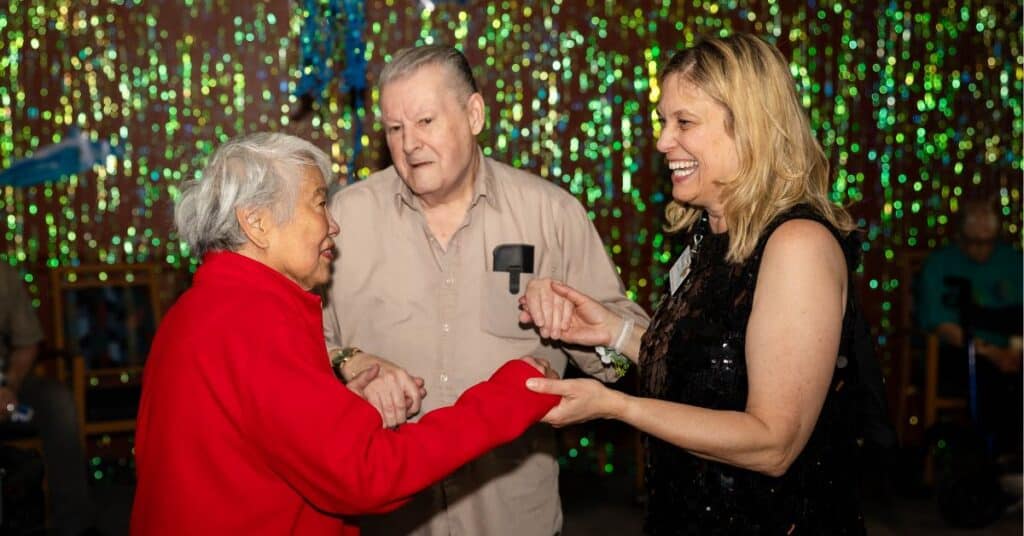
Residents often feel more confident knowing support is available if needed. Families feel relief knowing someone is there to assist with medications, mobility or changing health needs.
That reassurance creates freedom:
- Freedom to participate socially
- Freedom to move through the day more confidently
- Freedom from constant fear about “what could happen.”
When Does Care Require More Than Standard Support?
Some families arrive at assisted living after hearing “we can’t accommodate those needs” more times than they can count.
Neurological conditions like dementia, Parkinson’s disease, traumatic brain injuries or complex behavioral changes often require a level of patience, consistency and specialized understanding that many communities are not equipped to provide long-term.
At Cascade Park Gardens, the Philosophy is Different
The team believes people should not lose their sense of home simply because their care needs become more complicated. That commitment shapes how support systems are built, how staff are trained and how residents are cared for every day.
Creating stability for residents with neurological conditions requires more than clinical knowledge alone. It takes adaptability and a willingness to continue learning as needs evolve. Care plans are built around routines, emotional comfort, communication styles and the personal details that help residents feel understood.
For Families, Consistency Matters Deeply
Many arrive exhausted after navigating repeated transitions between hospitals, rehabilitation centers, temporary placements or communities, unable to continue care as conditions progressed. What they are often searching for is not simply another community, but permanence — a place where their loved one can continue receiving support without constantly facing another disruptive move. That sense of permanence is rooted in something simple but powerful: deep human respect.
Not just respect for medical needs, but respect for identity, history, preferences, routines and dignity. The belief that every resident deserves to be known as a person first changes the experience of assisted living entirely. When support is built around that philosophy, residents often become calmer, families feel more reassured and daily life begins to feel less clinical and more like home again.
The Possibilities Ahead
The decision to explore assisted living in Tacoma, WA, becomes easier when families focus on what support can make possible instead of what they fear losing. For many residents, the transition ultimately feels less like giving something up and more like finally receiving the support they needed all along.
If your family is exploring assisted living options in Tacoma, call (253) 474-1741 to learn how Cascade Senior Living may help your loved one feel supported and truly at home.
Book a Tour NowFAQs
Q1. What makes the social environment different from living alone at home?
Residents have regular opportunities for conversation, shared meals, activities and daily interaction, which can help reduce isolation and improve emotional well-being.
Q2. Can assisted living support residents with neurological conditions?
Some communities, including Cascade Park Gardens, provide specialized support for residents living with dementia, Parkinson’s disease, traumatic brain injuries and other complex neurological conditions.
Q3. Why does personalizing a living space matter so much?
Familiar belongings, routines and personal items help residents feel emotionally grounded, reduce stress and create a stronger sense of comfort and identity in their new home.