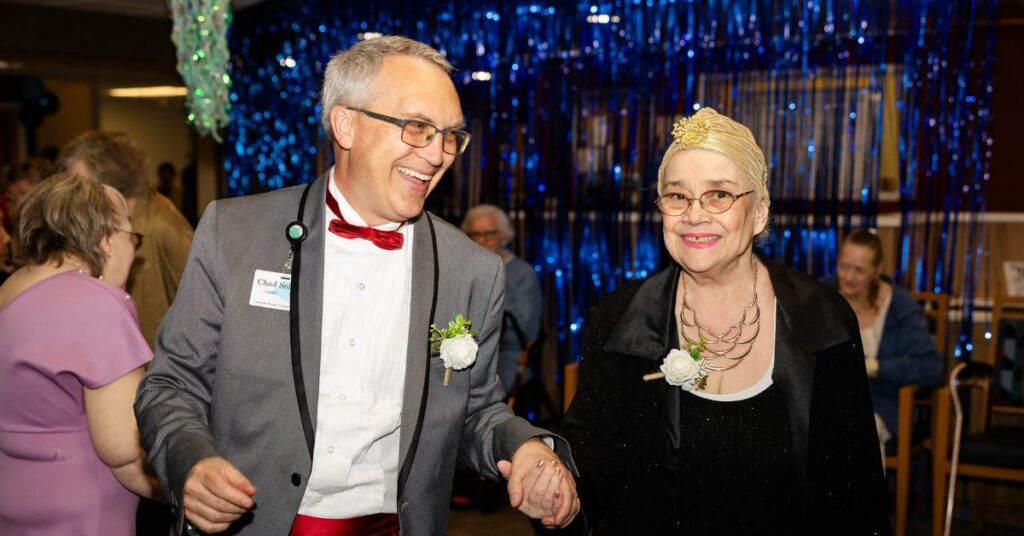
Language shapes everything. When someone walks into a senior living in Tacoma, WA, they feel the culture before they see the amenities. What families often notice first isn’t the community itself — it’s whether people genuinely care or just sound like they do.
The “golden years” fantasy erases real life. Adults in their 70s and 80s aren’t winding down — they’re managing grief, financial concerns and health changes that deserve honest acknowledgment, not cheerful dismissal.
Authentic communities choose transparency over polish. When you replace industry jargon with clear conversation, something shifts. Senior living thrives when it treats older adults as the capable, complex people they are — not fragile collectibles requiring constant cheerfulness.
Learn More About Our Living OptionsDoes Retirement Really Improve Quality of Life for Most People?
For many seniors with adequate resources and health, retirement brings significant benefits, including freedom from work obligations, reduced stress levels, more time for relationships and hobbies and the ability to structure days around personal priorities. However, the experience varies widely based on financial security, health status and social support networks.
The story behind “golden years”
Del Webb invented the “golden years” phrase on New Year’s Eve 1959 to sell his Sun City retirement communities. The pitch wasn’t subtle — transform retirement from something people dreaded into something they’d chase. This wasn’t about honoring the reality of aging. This was about moving real estate through carefully crafted stories that made complexity disappear.
The phrase caught on because it solved a marketing problem, not a human one. For decades, it shaped conversations about what later became senior living in Tacoma, WA and everywhere else. Webb’s team essentially sold aging as a permanent vacation — endless golf, endless sunshine, endless contentment.
Real life, of course, works differently.
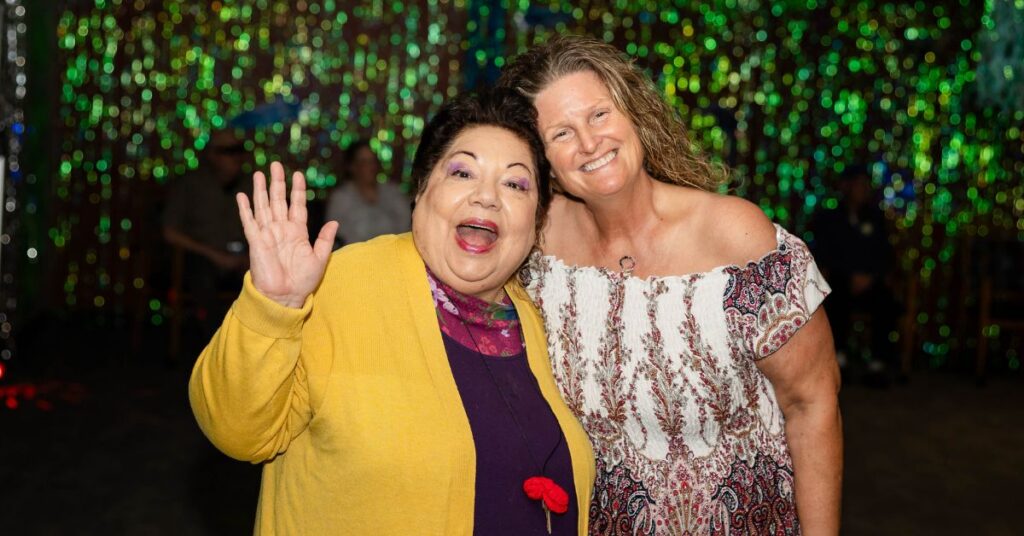
The distance between brochures and real life
Marketing shows couples toasting sunsets on cruise ships. Reality looks more like this: “They keep telling me this is meant to be my ‘golden years,’ but I’m still doing my own dishes, taking ten tablets a day and worried about my power bill”.
People in their seventies and eighties start companies. They advocate for change. They make choices about how they want to live. They’re not museum pieces requiring constant cheer and institutional management. The fantasy served its purpose for marketers. It never served the people it claimed to celebrate.
Why Authenticity Creates Stronger Communities
How transparency builds trust at Cascades
When staffing changes happen or service adjustments become necessary, families at Cascades hear about it directly. No sugar-coating, no corporate spin — just honest conversations about what’s happening and how we’re addressing it. This approach transforms families from customers kept in the dark into partners who understand the realities of providing quality care.
An authentic connection starts with honesty
Authentic relationships require truth-telling, especially about the complexities of aging and caregiving. Real connections form when people share actual experiences — the struggles alongside the victories, the ordinary moments that matter most. Culture of belonging starts with leadership willing to acknowledge that perfect doesn’t exist, but caring deeply always does.
What comes next for senior living
The future belongs to communities that respect aging as continued growth, not gentle decline. Senior living that embraces authenticity over outdated stereotypes will shape what’s possible (Marquet et al., 2019). People come first. Everything else follows from there.
The Power of Authenticity
Authenticity beats polish every time. When you strip away patronizing language and fairy-tale marketing, you get what modern seniors actually need: honest conversations, functional design and respect for autonomy. Cascade Senior Living proves transparency builds stronger communities than perfection ever could. Call (253) 474-1741 to experience senior living that treats you like the capable adult you are, not a cliché to be managed.
Schedule a Tour NowFAQs
Q1. Why do so many older adults want to stay in their own homes as they age?
For many seniors, home represents comfort, independence and familiarity. It’s where their routines, memories and sense of control live. That said, everyone’s needs are different. Some people eventually decide that a senior living community offers more support, connection or peace of mind than staying home alone.
Q2. Why do some older adults become less social over time?
A lot of it comes down to life changes. Retirement can remove daily routines and regular interaction, while losing a spouse or close friends can make social circles feel much smaller. Mobility challenges or health concerns can also make it harder to get out and stay active, which can gradually lead to more isolation.
Q3. Is aging in place always the best choice for seniors?
Not necessarily—it really depends on the person and the support they have around them. Aging in place can feel comforting and familiar, but it works best when there’s access to help, adequate living conditions and opportunities for connection. For some seniors, moving into a community actually improves quality of life by reducing isolation and making daily life easier to manage.