
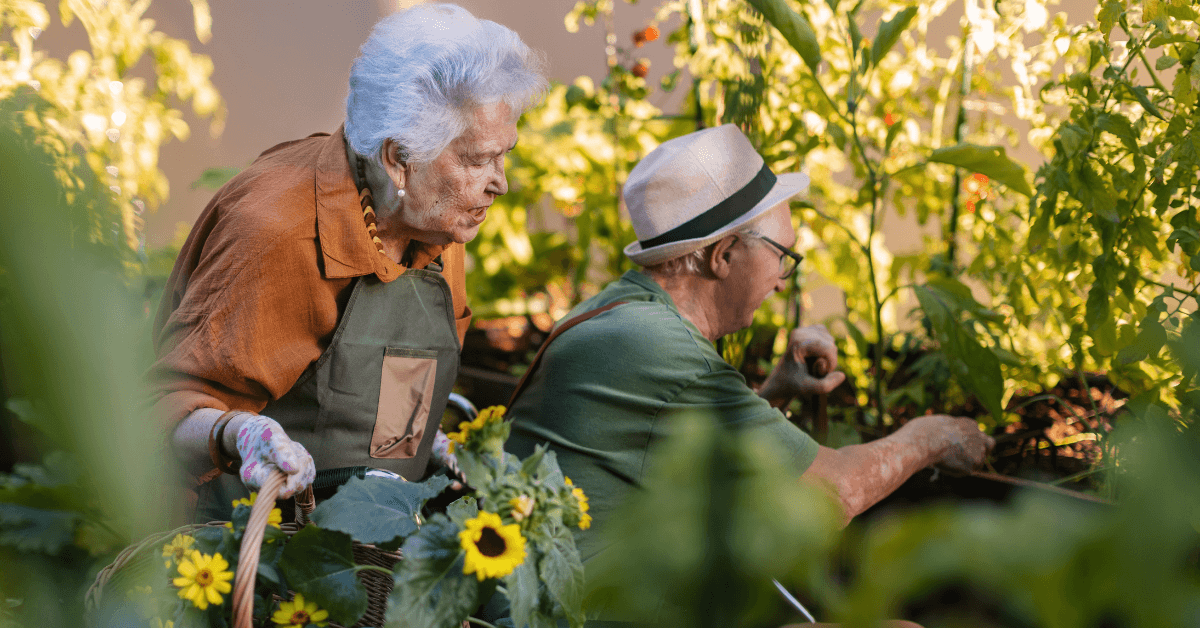
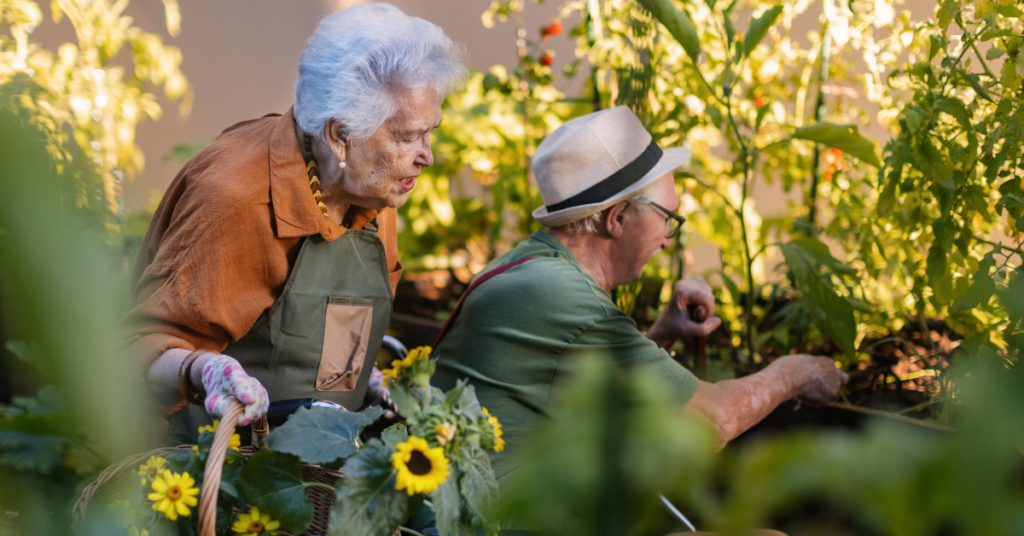
Your search for assisted living in Tacoma, WA, doesn’t have to mean sacrificing your parents’ cherished gardening passion. This concern weighs heavily on many families: the fear that moving to senior living means watching a beloved parent lose connection to activities that have brought decades of fulfillment.
Garden clubs in assisted living communities offer powerful therapeutic benefits that go far beyond simple recreation, creating meaningful social connections while supporting seniors’ mental and physical well-being.
As you evaluate assisted living facilities in Tacoma, WA, actively look for communities that prioritize senior-specific garden clubs. Seeking out these therapeutic programs ensures you find a place that will help your parent reduce isolation, establish comforting weekly routines and build authentic friendships through shared interests.
Learn More About Our Services and AmenitiesWhy Gardening Matters For Seniors’ Mental Health And Well-being
Gardening activities combat the severe health risks of isolation by fostering organic, meaningful social connections among residents. These therapeutic outdoor programs provide lasting relief from depression and anxiety, significantly improving overall life satisfaction.
The therapeutic benefits of working with plants
When your parent works in the garden, real changes happen in their brain. Contact with soil and plants triggers the production of serotonin, a hormone that directly lifts mood and eases stress. This goes beyond simple enjoyment.
The sensory elements matter too. Touching different plant textures, breathing in herb fragrances, watching seedlings emerge – these experiences provide benefits that complement traditional treatments.
How outdoor activities combat isolation in senior living
Loneliness creates genuine health risks for older adults. The consequences match those of obesity and sedentary living: higher risk of premature death, heart disease, stroke, depression and anxiety.
Natural gathering happens when residents plant tomatoes together or tend rose bushes side by side. Conversations flow organically from shared tasks. These outdoor activities foster genuine friendships through shared interests rather than through structured social programs.

Research-backed mental health benefits of gardening for seniors
Multiple studies confirm large, significant effects of gardening interventions on depression relief (Wood CJ, Barton J, Wicks CL., 2025). For seniors managing anxiety, gardening produces moderate but meaningful symptom reduction. These benefits represent lasting improvements in daily quality of life.
Seniors who spend 150 minutes weekly on gardening activities show significant improvements in mental well-being and life satisfaction. One study showed that participants improved cognitive ability and reduced depression, while the control group experienced worsening depression.
What Happens In An Assisted Living Garden Club
Garden clubs blend hands-on tasks like planting and watering with relaxing activities. By rotating projects with the seasons, these clubs provide year-round engagement and naturally cultivate authentic, lasting friendships.
Typical garden club activities and schedules
Most garden clubs meet monthly or every two weeks, creating a regular rhythm without crowding residents’ schedules. Your parent might spend Tuesday morning propagating plants from cuttings, the following week planning seasonal displays and another session simply enjoying the garden atmosphere.
Social connections that grow alongside the plants
Friendships develop naturally when residents share common ground. Seniors who belong to gardening groups report significantly more social and physical benefits than those who garden alone. Conversations flow when your parent and her neighbor compare which tomato varieties performed best or exchange propagated plants.
Adapting gardening tasks for different mobility levels
Raised beds eliminate bending and kneeling challenges, while wheelchair-accessible designs feature cutout areas that allow close plant access (Scott, T. L., Masser, B. M., & Pachana, N. A., 2020). Ergonomic tools with cushioned grips ease hand strain and long-handled implements reduce overreaching.
Some residents tackle heavier digging while others sort seeds, handle watering duties or focus on the sensory pleasures of touching herbs and breathing in flower fragrances.
Seasonal projects that give seniors something to look forward to
Spring meetings focus on starting vegetables and herbs from seeds. Summer emphasizes harvesting homegrown produce and maintaining healthy plant growth. Autumn includes preparing gardens for the winter months and crafting seasonal decorative arrangements. These rotating projects provide year-round purpose and anticipation.
Taking The Next Step: Evaluating Senior Living Communities In Tacoma
Schedule visits to multiple assisted living facilities in Tacoma, WA, to compare your options directly. Plan tours during different times of day and join a meal or activity session to observe daily life patterns firsthand.
Meeting current residents and staff
Observe staff interactions with residents during your visit. Notice whether staff members appear patient, friendly and genuinely engaged. Ask residents about their actual experiences with garden clubs and other activities. Their candid responses will provide insights that marketing materials cannot offer.
Understanding how programs support your parents’ specific needs and interests
Inquire about how the community develops personalized care plans that honor individual preferences and routines. Ask how they modify activities when a resident’s abilities change and whether they accommodate evolving care requirements while maintaining program participation.
Nurturing Growth In The Next Chapter
Garden clubs create genuine friendships, support mental well-being and provide a daily purpose that can truly transform the assisted living experience. Residents often find even greater joy in these shared gardening moments than they ever experienced tending a backyard alone.
When seniors remain connected to the rhythms of nature, the garden becomes a vibrant foundation for renewed purpose and a deeper sense of belonging.
A lifelong passion doesn’t fade with age and a new living environment shouldn’t force anyone to abandon it. At Cascade Senior Living, our garden clubs and outdoor programming preserve the essence of who our residents are through natural spaces, flexible routines and care that honors each life journey. Call us at 360-602-6880 to discover how our philosophy supports continued growth and happiness throughout every transition.
Schedule a Tour NowFAQs
Q1. What benefits do seniors receive from participating in assisted living garden clubs?
Active gardening directly improves senior mental health, lowers blood pressure, reduces isolation and builds authentic friendships through shared daily purpose.
Q2. What types of activities happen during garden club meetings in assisted living?
Seniors enjoy hands-on planting, accessible weeding and propagating seedlings, alongside relaxing seasonal planning and admiring beautiful blooms with new friends. At Cascade, we deliberately design natural spaces fostering everyday resident autonomy.
Q3. What should I look for when evaluating gardening programs at assisted living facilities?
Look for well-maintained garden spaces with pathways, proper lighting, raised beds at appropriate heights and adaptive tools. Check for features like handrails and non-slip surfaces and ask about program frequency, staff qualifications and whether additional fees apply.