Assisted living

Red Flags That Say “Memory Care, Not Assisted Living”

assisted living

One of the most painful mistakes families make when exploring senior living in Tacoma, WA, is waiting too long to choose memory care. Assisted living in Tacoma, WA, works well for people who can still stay oriented, follow instructions, and ask for help with activities of daily living (ADL)

Navigating senior living in Tacoma, WA, can be overwhelming for families. If your loved one is wandering, missing medications, or experiencing behavioral changes, standard assisted living may no longer be safe. Review these critical red flags that indicate an immediate need for specialized memory care.

But when the brain begins to lose its ability to keep a person safe, assisted living simply is not designed to meet those needs. If two or more of the following red flags are happening, a standard retirement community or assisted living is likely to fail — and that failure often comes in the form of falls, hospitalizations, or sudden crisis moves.

Recognizing the Limits of Assisted Living

The first major warning sign is wandering or getting lost. When someone walks out of the house, becomes confused in familiar places, cannot find their room in their senior apartments, or tries to leave buildings, this is no longer “mild memory loss”. It is life-threatening. According to the National Institute on Aging, a vast majority of people with Alzheimer’s disease or related dementias will wander away from their homes or caregivers, making it a critical safety issue that standard assisted living environments cannot manage (National Institute on Aging, 2024).

Another key red flag is when a person forgets they already did something — taking medications twice, eating twice or not at all, showering again, or calling people repeatedly. These patterns lead directly to overdoses, dehydration, and medical emergencies.

Physical and behavioral warning signs

When someone no longer understands their physical limits, the danger grows. Trying to walk without a walker, getting up without help, using the stove, driving, or fighting for assistance often leads to falls, burns, and broken bones.

Emotional and behavioral changes are another critical signal. Sudden anger, accusations of stealing, paranoia, panic, or physical outbursts are not personality changes — they are symptoms of dementia-related brain damage. Even assisted living with 24-hour nursing is not staffed or trained to safely support these behaviors. Memory care is.

Confusion about place is also a major red flag. When someone asks to “go home” while already at home, believes they are in a hotel, or does not recognize their building, fear sets in — and fear fuels agitation, distress, and unsafe behavior.

The inability to use a call button reliably is another important sign. Assisted living depends on residents being able to ask for help. When a person can no longer remember to press it, explain what’s wrong, or wait for assistance, they need the constant eyes and rapid response that memory care provides.

When standard care becomes a risk

Finally, when a person no longer recognizes caregivers, trust disappears. Without recognition, help feels threatening. Resistance increases. Fear grows. Unlike a basic personal care home, memory care offers higher staffing, predictable routines, gentle redirection, and reassurance that allows people to feel safe again — even when memory is failing.

Making the Move from Assisted Living in Tacoma, WA to Memory Care

Families often wait because they say, “They’re not that bad yet”. But dementia is not about how someone looks on a good day. It’s about what happens at two in the morning, when they wake up scared, forget where they are, can’t find the bathroom, or fall. Memory care is not a punishment. It is a seatbelt for a brain that can no longer keep itself safe.

The hardest truth — and the most loving one — is that people with dementia are often calmer, safer, and more at peace when they move into memory care earlier rather than later. They sleep better. They eat better. They get hurt less. Waiting until a crisis leads to ambulances, emergency rooms, hospital delirium, forced moves, and trauma. Choosing memory care sooner at Cascade Senior Living means peace, safety, dignity — and far fewer regrets. Call us at 360-602-6880
assisted living

FAQs

Q1. What is the difference between assisted living and memory care? Assisted living is for seniors who can still navigate their environment safely and ask for help. Memory care provides 24/7 specialized supervision, secure environments, and staff trained to handle dementia-related behaviors like wandering and confusion.

Q2. When is it time to move a parent to a memory care community? It is time for memory care when a parent begins wandering, forgetting to eat or take medications, experiencing sudden outbursts, or losing the ability to reliably use a call button for help.

Q3. Is wandering a sign that my loved one needs memory care? Yes. Wandering or getting lost in familiar places is a life-threatening red flag that indicates standard assisted living is no longer safe. Memory care facilities have secure exits and specialized monitoring to prevent wandering.


Assisted living

Senior Living: How to Use the LOVE Language of Care

assisted living

Conversations about senior care touch the deepest parts of our hearts. When families gather to discuss a loved one’s changing needs, emotions rise quickly, words feel inadequate and everyone wants to do right by the person they cherish most—especially when navigating the transition to senior living in Tacoma, WA.

The L.O.V.E. method transforms senior care conversations by prioritizing emotional connection before addressing practical concerns, creating more meaningful and respectful interactions with aging loved ones.

This Valentine’s season creates a beautiful opportunity to approach these tender moments differently. The L.O.V.E. method—Listen, Observe, Validate, Empower—offers families a gentle framework for honoring both feelings and practical needs during important conversations about assisted living. 

What Is The L.O.V.E. Method And Why Does It Matter In Senior Care?

Every senior deserves to feel valued and heard, yet too often our busy lives leave little room for the deeper connections they crave. The L.O.V.E. method creates a framework for meaningful connections that transforms how families approach conversations about senior care.

Defining the L.O.V.E. acronym: Listen, Observe, Validate, Empower

Each letter in L.O.V.E. represents a thoughtful approach to connecting with your senior:

Listen with your whole heart. Face your loved one, make eye contact and focus completely on understanding their words rather than planning what you’ll say next. Put away your phone, quiet your mind and be fully present for them.

Observe the things they cannot say. Watch for changes in posture, facial expressions or gestures that reveal deeper feelings or unspoken needs. Sometimes a senior’s body language tells the real story when words feel too difficult to find.

Validate their experiences instead of trying to fix everything immediately. Acknowledge their feelings as real and important, recognizing that their perspectives matter deeply. The findings of a study show that “compassionate love” (caring, trust, wanting to spend time with others) improves well-being even outside of family structures (Kahana et al., 2021).

Empower them with genuine choices and respect. Help them feel truly understood through empathy while offering real options that preserve their sense of independence.

Tips For Talking About Assisted Living

Focus on the positives when discussing assisted living. Talk about new friendships, maintained independence and relief from home maintenance rather than just care needs. Connect these benefits to what already matters to them.

Pick peaceful moments for these talks, never during stress or crisis. Remember that good conversations don’t always end with decisions; they build the foundation for ongoing dialogue.

Most importantly, unless your parents are mentally incapacitated, the ultimate decision belongs to them. You can share concerns out of love while still honoring their right to choose their own path.

Why Valentine’s Day is a meaningful time to apply it

Valentine’s Day creates the perfect backdrop for strengthening relationships with seniors. This mid-winter celebration can brighten spirits during months when isolation feels heaviest. 

This holiday gives families a natural opening to express care beyond traditional romantic gestures. Small acts like bringing heart-shaped cookies from their favorite bakery or decorating their room with cheerful colors can transform an ordinary day into something special.

assisted living

What Are Some Practical Ways To Show Love?

Make sure your loved ones feel loved and heard when talking about senior living options. Valentine’s Day holds a great opportunity to show love in the smallest gestures, personalized attention and meaningful connections.

Non-material gifts that make a difference

Your presence matters more than any present ever could. Regular communication creates the foundation for emotional connection with seniors, whether you visit in person, call weekly or video chat from across the country. 

Setting up a routine gives your loved one something beautiful to anticipate, brightening their days and reducing that heavy feeling of being forgotten.

Meaningful Valentine’s ideas for assisted living residents

Consider gifts that spark cherished memories: engraved photo frames featuring family moments, memory books filled with shared stories or custom jewelry that holds special meaning.

Comfort becomes especially precious during this season. Soft fleece blankets, heated slippers for chilly mornings or luxurious robes offer both physical warmth and the emotional comfort of being cared for. Handwritten cards or heartfelt letters often become treasured keepsakes, something your loved one can return to whenever they need to feel your love.

Authentic Conversations With L.O.V.E.

The heart of caring for our aging loved ones lies not in perfect words or flawless timing, but in our willingness to truly connect. The L.O.V.E. method gives families a gentle way to honor both emotions and practical needs, creating space for authentic conversations.

This Valentine’s season offers the perfect moment to start fresh with these heartfelt communication techniques. Your consistent presence, genuine listening and respectful empowerment mean far more than any gift you could bring. 

When you choose connection over control, something beautiful happens—resistance softens, trust deepens and even the most difficult conversations become manageable.

Call Peoples Senior Living at (253) 474-1741 to learn more about assisted living care options and have enough information to talk to your loved one about retirement.

FAQs

Q1. What exactly is the L.O.V.E. method in senior caregiving?
The L.O.V.E. method is a simple, compassionate approach to care that stands for Listen, Observe, Validate and Empower. It’s all about building trust and connection—really listening to what your loved one says, noticing nonverbal cues, honoring their feelings without judgment and helping them feel respected by offering choices instead of taking control.

Q2. How can I use the L.O.V.E. method to start a tough conversation about care needs?
Start by choosing a calm, private moment and listening without jumping in or correcting. Pay attention to body language and tone to understand how they’re feeling. Let them know their emotions make sense by saying things like, “I can see this is hard for you.” Then, instead of giving ultimatums, offer options and invite them into the decision—this helps them feel supported rather than pressured.

Q3. How can I show love to a loved one who’s transitioning to assisted living?
Love shows up in small, consistent ways. Spend quality time together, do activities they enjoy and stay connected through regular calls or video chats. Thoughtful gifts—like photos or familiar items—can bring comfort and spark memories. Most importantly, be present during visits and keep communication steady. That sense of reliability and care goes a long way during big life changes.

Memory care

Memory Care: The Heart-Warming Power of Music

memory care

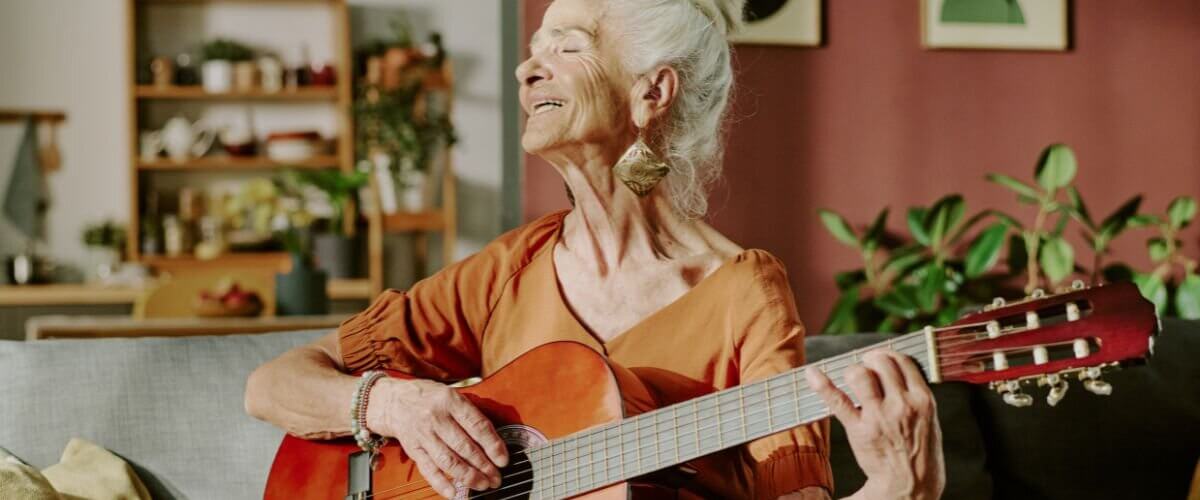
Music holds a special place in the hearts and minds of seniors living with dementia. Those beloved melodies from younger days can spark recognition and joy even when other memories seem distant. The science behind this remarkable connection reveals why a favorite song can still bring smiles—a therapeutic approach embraced by compassionate memory care in Tacoma, WA, to offer comfort when so much else feels uncertain.

Music therapy offers profound benefits for seniors with dementia because musical memories are stored in brain regions that remain largely unaffected by Alzheimer’s disease, creating lasting pathways for connection and emotional recall.

Expert strategies for using personalized playlists and nostalgic melodies soothe agitation and spark joy in seniors. This guide explores how compassionate memory care uses music therapy to unlock memories, improve daily routines and foster deep emotional connections for those with dementia.

Creating Meaningful Musical Moments in Memory Care

Music holds the power to reach seniors when other forms of communication fail. The right approach can turn an ordinary day into one filled with recognition, joy and genuine connection. These six strategies will help you use music effectively with seniors experiencing memory challenges.

1. Create personalized playlists

Individual playlists built around each resident’s preferences create the strongest emotional responses. Unlike generic background music, personalized selections connect directly with specific life memories. Interview family members about the resident’s musical history, beloved artists and songs that held special meaning. Digital platforms now make creating multiple personalized playlists easier than ever, allowing caregivers to choose appropriate music for different residents and situations.

2. Focus on music from their younger years

Songs from a person’s formative years (ages 10-30) spark the strongest emotional responses and memory recall. This period represents when most people developed their musical tastes and formed significant life memories. Songs from when the person was between 10 and 30 years of age most effectively trigger autobiographical memories. These melodies often stay accessible even when other memories fade, since they’re stored in brain areas less affected by dementia.

3. Weave music into daily routines

Music woven into daily activities creates structure and comfort through predictability. Use specific genres or playlists as gentle cues for different times of day. Upbeat morning music energizes, while calming melodies before bedtime signal time to wind down. This approach helps establish beneficial routines since music enhances motivation during physical activity. The consistency brings comfort through familiarity and reduces confusion during transitions between activities.

4. Calm agitation with carefully chosen music

Music therapy significantly decreases agitation in hospitalized patients with Alzheimer’s disease and related dementias. Music works as an effective intervention because the brain areas that recognize music remain largely unaffected by dementia. Keep the volume comfortable, minimize competing noises and watch carefully how different songs affect each individual’s mood. Soft classical music or gentle instrumental pieces often work well during moments of distress.

5. Build community through group singing

Group singing creates valuable social connections alongside cognitive stimulation. Even residents with limited verbal abilities often join in familiar choruses or tap along to the rhythm. Group participation fosters belonging and community while exercising memory recall. Singing together, especially familiar songs, offers meaningful emotional and social benefits for many people living with dementia.

6. Enhance transitions and mealtimes with music

Mealtime music increases time spent at the table and improves nutritional intake. Gentle background music during meals creates a pleasant atmosphere that encourages appetite and social interaction. Music during transitions between activities or locations also reduces stress associated with change. Instrumental covers of popular songs work particularly well during these times, familiar enough to comfort yet not distracting from the task at hand.

memory care

Why Familiar Songs Reach Seniors With Memory Challenges

Musical memory operates somewhat independently from other memory systems, which explains why familiar tunes often remain accessible even as other cognitive abilities change (Matziorinis, A. M., & Koelsch, S., 2022). While dementia affects the formation of new memories and recent recall, studies consistently show that people can still recognize beloved songs and sing along to music from their younger years. This happens because music activates multiple brain networks simultaneously, engaging areas for hearing, emotion, movement and memory all at once.

The key isn’t whether the music feels happy or sad, but rather that sweet spot of emotional connection that helps memories take hold.

Creating Lasting Connections Through Music

Music holds a special place in memory care, offering families a bridge to their loved ones when other forms of connection feel out of reach. The melodies that once filled your shared moments together remain accessible, creating opportunities for joy and recognition even when other abilities fade.

Even when recognition fades and conversation becomes difficult, music continues to reach the person you love. Those familiar melodies speak directly to emotions that remain intact, offering comfort and connection that transcends the challenges of dementia.

If you’re considering memory care options or seeking ways to enhance your visits, music therapy programs can make a meaningful difference. Call Peoples Senior Living at (253) 474-1741 to discover how their specialized programs support both residents and families.

FAQs

Q1. How does music actually help seniors living with dementia?
Music reaches parts of the brain that often stay active longer, even with Alzheimer’s or other forms of dementia. When a familiar song plays, it can unlock memories and emotions that feel out of reach otherwise. That’s why you’ll often see seniors light up, relax or even sing along—music helps them reconnect in ways words sometimes can’t.

Q2. What kind of music works best in memory care settings?
Personalized music makes the biggest impact. Songs from someone’s teens and early adulthood—roughly ages 10 to 30—tend to be especially powerful. These tracks are closely tied to life experiences, so they’re more likely to spark recognition, comfort and emotional connection.

Q3. How can families use music to stay connected with a loved one in memory care?
Music can become a shared language. Families often create custom playlists, sing familiar songs together during visits or use music to mark special moments like birthdays or holidays. Even if conversation is limited, listening to a favorite song together can create calm, joy and meaningful connection.

Senior living

Beyond the Tour: Understanding True Integrity in Senior Living

senior living

When you’re choosing senior living in Tacoma, WA, the polished tour only tells part of the story. Your loved one will spend their days in the moments between those carefully orchestrated visits. The beautiful common areas and friendly faces during your scheduled appointment matter, but what happens at 2 a.m. when someone needs help matters more.

Transparency builds trust and enables families to make informed decisions for senior living. Without openness in operations—including clear communication about care changes, honest billing practices, accessible visitation policies and straightforward responses to concerns—families cannot accurately assess whether a community will provide the consistent, quality care their loved ones deserve.

Every family wants to feel confident about their choice. You want to know that the care your loved one receives on Tuesday afternoon matches what you observed during Sunday’s tour. The difference between a community’s promises and its daily reality affects not just the quality of care, but your peace of mind as well.

What Does Integrity In Senior Living Really Mean?

The word “integrity” appears everywhere in senior care marketing materials, but what does it actually mean when you’re choosing an assisted living community? Real integrity means complete, honest information about residences and services. This reaches far beyond beautiful amenities or friendly staff during scheduled visits.

Integrity means more than marketing promises

Marketing language in senior living often confuses rather than clarifies. Take how communities describe nursing services. An advertising “24-hour nursing services” might have one licensed nurse during day shifts and use an on-call system for nights and weekends. While technically accurate, this phrasing misleads families who interpret it as round-the-clock on-site registered nurses. The National Center for Assisted Living (NCAL) emphasizes that undisclosed or exaggerated information damages relationships between residences and customers, diminishing trust permanently (NCAL, 2022).

Honest marketing requires precision. Instead of vague terms, communities with genuine integrity state clearly: “Our residence has an on-site nurse each weekday and on-call nursing services at all other times”. This clarity allows families to make informed decisions based on actual service delivery rather than wishful language.

Tours show you what they want you to see

Tours showcase what communities want you to notice. You’ll see bright smiles, exercise classes and perhaps live entertainment in the lobby. What stays hidden are the crucial details: 2 a.m. staffing levels, response times to emergency calls and how communities handle medical events and falls.

Families need to dig deeper

Maintaining the integrity of seniors in long-term institutions affects their physical, psychological and overall quality of life. Relatives who felt admission to communities had been problematic perceived that residents’ integrity was poorly maintained. This highlights why your initial research and evaluation process matters so much.

State inspection reports, unscheduled visits and conversations with current residents provide windows into daily operations that scheduled tours cannot. Communities must place greater emphasis on cooperation between residents, their relatives and nursing staff. Communities practicing genuine integrity welcome these deeper investigations rather than discouraging them.

Signs of Genuine Care During Ordinary Moments

Quality communities reveal their true character during everyday interactions, not scheduled presentations. These quiet indicators show how staff treat residents when tours aren’t happening.

Staff interactions during unscheduled visits

Watch how staff and residents communicate during your visits. Staff form meaningful relationships with coworkers, residents and family members in person-centered care environments. When you see residents and staff interacting easily and comfortably, their relationship has been built on trust and dignity, indicating time spent together. This stands apart from communities where staff appear rushed or disconnected from the residents they serve.

Daily cleanliness and maintenance standards

Housekeeping teams can’t maintain perfection constantly in busy communities, but clean and welcoming shared spaces indicate quality care. Communities should smell fresh, with resident rooms clean and well-maintained. Cleaning and disinfecting of common areas, bathrooms and surfaces like doorknobs and handrails minimizes infection risk.

Poor hygiene, including residents wearing the same clothes repeatedly or appearing dirty, signals potential neglect. Residents who look clean and well-groomed receive necessary support with activities of daily living.

Resident participation in daily life

Residents should appear lively and engaged rather than isolated. Look for residents involved in both group activities and independent pursuits like reading or listening to music.

Why Transparency Creates Genuine Trust With Families

Transparency forms the foundation that allows families to build confidence in their choice. Without honest, open communication about daily operations, families cannot truly know whether their loved one will receive the care they deserve.

Keeping families connected 

Families who feel included in their loved one’s care journey become partners in the process rather than worried observers. Regular updates about health changes, activity participation and care adjustments strengthen the bond between families and care teams. This communication should feel natural and caring, tailored to each family’s preferences and concerns.

Building staff who care

Staff training should focus on creating caregivers who understand their impact on residents’ lives. Regular check-ins throughout the year, rather than once-yearly reviews, help staff stay connected to their purpose and improve their skills.

senior living

Addressing concerns 

Residents must feel good about expressing concerns without worry about poor treatment afterward. Quality communities maintain clear processes for handling complaints and provide written responses that explain what they discovered and how they plan to make things better.

Genuine Care

Choosing senior living in Tacoma, WA requires looking beyond polished presentations to observe daily realities. Ultimately, integrity reveals itself through consistent staffing, transparent communication and genuine resident engagement during ordinary moments. Call Cascade Senior Living at 360-602-6880 to ask specific questions about care delivery, response times and family access policies. Your loved one deserves a community that maintains excellence when no one is watching, not just during scheduled tours.

FAQs

Q1. What are the core principles that define quality senior living? Quality senior living centers on three fundamental principles: independence, autonomy and personal dignity. These residences should empower residents to make their own choices while providing necessary support, maintaining a balance between assistance and self-determination that respects each individual’s capabilities and preferences.

Q2. How can families tell the difference between marketing promises and actual daily operations? The key difference lies in observing unscheduled moments rather than planned tours. While tours showcase polished presentations and scheduled activities, true quality reveals itself through staff interactions during off-peak hours, response times to resident requests, cleanliness during visits and conversations with current residents about their everyday experiences.

Q3. What role does staff integrity play in healthcare settings? Staff integrity forms the foundation of trust between residents and caregivers. It encompasses ethical values and moral principles that guide interactions with residents, families and colleagues. This integrity becomes especially critical during overnight hours and unobserved moments when caregivers must consistently do the right thing without supervision.