
Signs It May Be Time for Senior Living Assistance

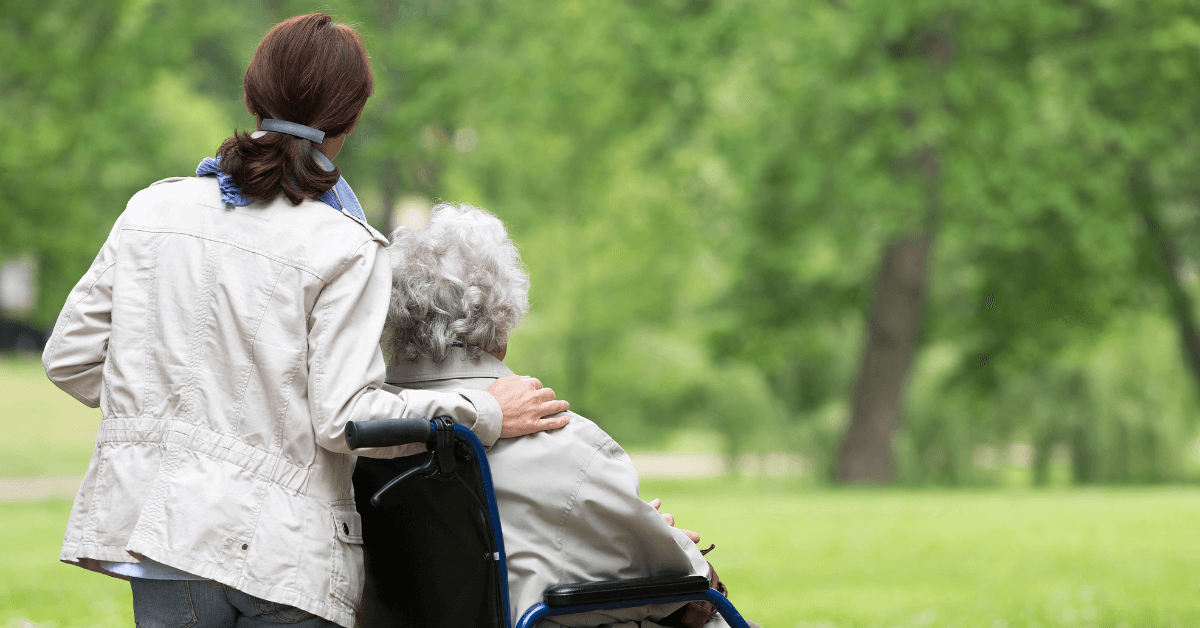
Watching a loved one face health challenges can feel heartbreaking. You might notice your parent moving more carefully, forgetting details that once came easily or struggling with medications they’ve managed for years. These shifts often happen so gradually that families can miss them until they become significant concerns. That’s why it’s essential to consider senior living assistance in Tacoma, WA, early.
The reality is that nearly all older adults manage at least one health condition, with most juggling several simultaneously. These health changes don’t just affect your loved one; they affect your entire family. The worry, the extra doctor visits, the medication concerns, all create stress that ripples through everyone who cares about them.
When Simple Tasks Become Mountains to Climb
The moments that once filled our loved ones with confidence can gradually shift into daily struggles. Most families begin noticing something has changed when routine activities start feeling overwhelming for the person they care about. These everyday tasks, from getting dressed in the morning to preparing a simple meal, serve as gentle indicators of how someone is managing on their own.
Personal Care Becomes a Challenge
When your loved one starts struggling with bathing, dressing or eating, these changes often signal it’s time to consider additional support. Bathing, once a refreshing part of the day, can transform into something that feels scary or physically demanding for many seniors. What once brought comfort might now feel overwhelming or even frightening. Some older adults begin avoiding baths or showers altogether, leading to concerns that go far beyond appearance.
Getting dressed each morning presents its own set of challenges as hands become less steady. Common struggles include:
- Buttons and zippers that once seemed simple
- Reaching to put on shoes or socks
- Managing clothing that fastens in the back
- Choosing appropriate, clean clothing
Shifts in Personal Care That Speak Volumes
Personal appearance tells a story about how someone feels inside and how well they can manage their daily needs. When you notice changes in their hygiene or appearance, these shifts often reveal much more than meets the eye. They frequently signal that your family member might benefit from additional support, even when they haven’t asked for help directly.
When Personal Hygiene Becomes a Challenge
Changes in personal cleanliness accompany clothing concerns and represent one of the most sensitive indicators that your loved one needs support. Body odor or unkempt hair typically stems from infrequent bathing, which often has legitimate underlying causes. Fear drives many seniors away from their daily shower routine. Bathrooms rank among the most dangerous spaces in homes for older adults. Without proper modifications like grab bars or shower chairs, many experience genuine anxiety about bathing alone. Physical barriers create equally significant challenges.
Pulling Away from Cherished Connections
Social bonds form the foundation of our emotional well-being throughout life. When your loved one begins stepping back from family gatherings, longtime friendships or activities they once treasured, this withdrawal often signals a deeper need for support. Social isolation represents far more than a simple preference for solitude—it’s a genuine health concern.
Declining Invitations and Avoiding Gatherings
This shift rarely occurs suddenly. Instead, watch for these gentle warning signs:
- Reluctance to join previously beloved family traditions, increasingly brief visits before finding excuses to leave early and last-minute cancellations accompanied by vague explanations.
- Physical challenges often drive this social retreat. Mobility concerns, hearing difficulties or incontinence worries can transform once-enjoyable gatherings into sources of embarrassment or discomfort.
- Transportation barriers create additional hurdles. Many seniors feel uncomfortable requesting rides or find public transit intimidating.
Your Well-Being Matters Too
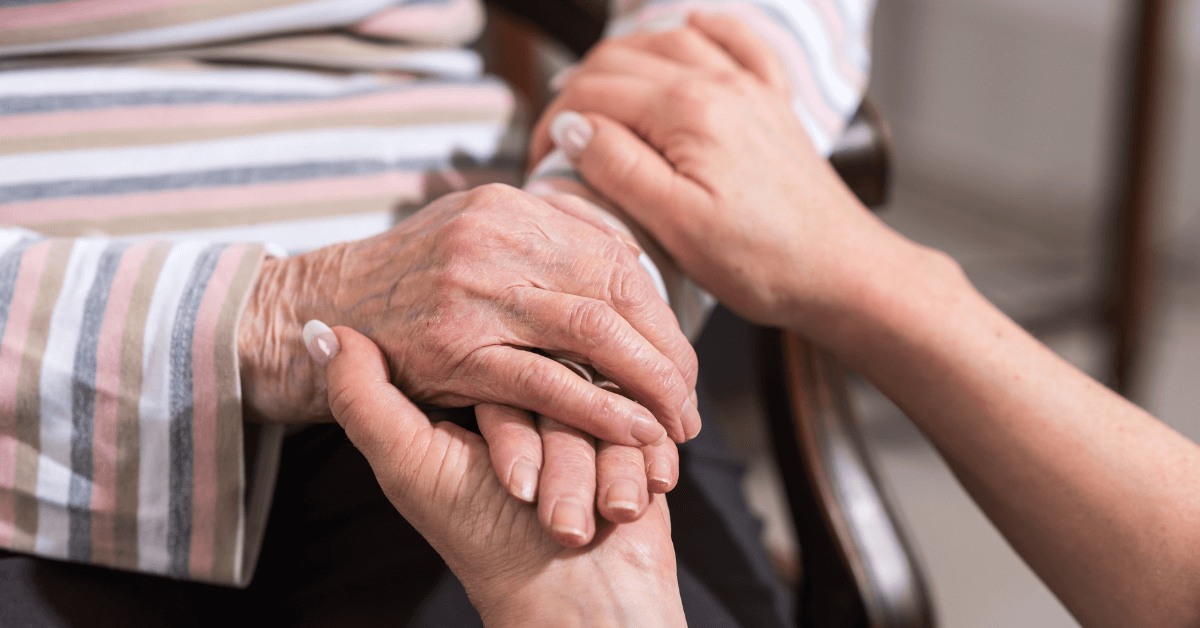
Caring for someone you love brings both precious moments and genuine challenges. While supporting an aging parent or partner feels deeply meaningful, it can also place tremendous strain on your own physical and emotional health.
When Exhaustion Becomes Your Daily Reality
Caregiver burnout develops when you pour everything into caring for someone else while your own needs go unmet. This exhaustion shows up in ways that might feel familiar:
- Waking up tired, no matter how much sleep you get
- Pulling back from friends and activities that once brought you joy
- Feeling on edge, anxious or emotionally reactive more often
- Experiencing headaches, body aches or other physical symptoms
- Finding it harder to fall asleep
This burnout happens when caring for others becomes your sole focus. Your health begins to suffer, which ultimately affects your ability to provide good care. It creates a difficult cycle that many caregivers know all too well.
Finding the Right Path Forward
Making decisions about senior living support for someone you love represents one of life’s most tender moments. Seeking senior living assistance doesn’t mean stepping away from your loved one. Rather, it often creates space for deeper connection by removing the weight of daily caregiving tasks and allowing you to focus on sharing meaningful moments together.
The most loving time to start these conversations is before urgent situations arise. Begin discussions gently, include your loved one in decisions whenever possible and approach each conversation with understanding rather than judgment. This transition, though emotionally challenging, often leads to improved health outcomes, renewed social connections and a sense of purpose for seniors who receive the right level of care at the right moment. Contact us at (253) 474-1741 to schedule a tour of our community, Peoples Senior Living.
FAQs
Q1. What are the key indicators that someone may need assisted living? Key indicators include difficulty with daily activities like bathing or dressing, declining physical or mental health, noticeable changes in hygiene or appearance, increased social isolation and caregiver stress or burnout.
Q2. How important is social engagement when considering senior living options? Social engagement is crucial for seniors’ well-being. Increased isolation or withdrawal from previously enjoyed activities can be a sign that additional support is needed. Senior living communities often provide structured social activities and opportunities for interaction, which can significantly improve quality of life.